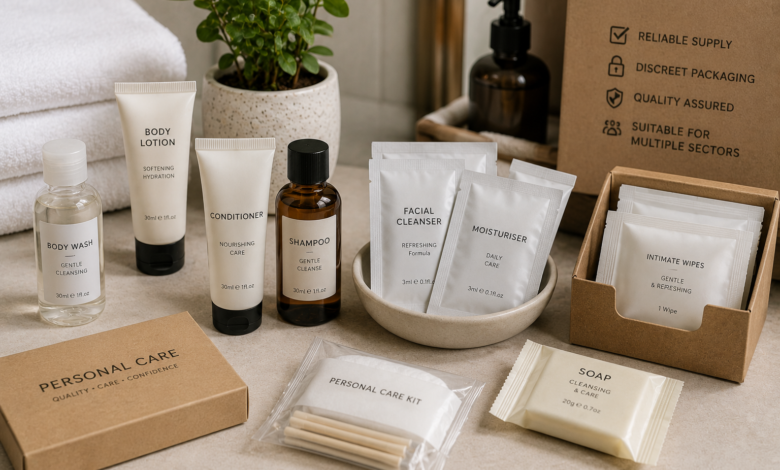
Personal care packaging has to do more than look presentable. It needs to protect the product, support hygiene, feel appropriate for the user and suit the way businesses actually store and distribute stock. For organisations looking at specialist supply and fulfilment options, Lubepack sits within a market where reliability, discretion and practical packaging formats are all important.
In the UK, buyers across healthcare, hospitality, wellness, retail and events often need products that are easy to handle at scale. A product may be perfectly formulated, but if the packaging leaks, feels awkward, takes up too much space or creates unnecessary waste, it can quickly become a problem.
Packaging Influences Trust
People notice packaging before they experience the product itself. For personal care items, that first impression matters because users want reassurance. Clean, sealed, clearly labelled packaging suggests care and professionalism.
This is particularly important for products used in sensitive or private contexts. Packaging should feel discreet and straightforward, not loud or uncomfortable. Users should be able to understand what the product is, how to use it and whether it is suitable for them without confusion.
For businesses, poor packaging can create reputational issues. Even small faults, such as weak seals, unclear labelling or inconsistent presentation, can affect confidence. Good packaging reduces friction and helps the product feel dependable.
Different Sectors Have Different Needs
A hotel may need compact guest-friendly formats. A healthcare setting may prioritise hygiene, traceability and straightforward use. A retailer may focus on shelf presentation, branding and stock control. An event organiser may want products that are lightweight, sealed and easy to distribute in large numbers.
These different settings require different packaging decisions. A large bottle might work well in one environment, while sachets or smaller formats may be more suitable elsewhere. The best choice depends on how the product will be handled, who will use it and what level of discretion or instruction is needed.
UK businesses also have to think practically about storage. Space is often limited, especially in treatment rooms, reception areas, fulfilment centres and small retail premises. Compact packaging can make daily operations easier.
Labelling Should Be Clear And Responsible
Personal care products need clear, responsible labelling. Users should not have to guess what a product contains or how it should be used. Straightforward language is usually better than exaggerated claims.
For businesses placing products into kits, sample packs or guest packs, clarity becomes even more important. The user may not have spoken to a member of staff before opening the product, so the packaging has to carry the essential information in a simple way.
Responsible presentation also means avoiding misleading promises. Personal care products should be marketed with care, especially where comfort, hygiene or intimate use is involved.
Supply Reliability Matters
Packaging quality is only one part of the equation. Supply reliability is just as important. Businesses need confidence that stock will arrive consistently, units will be usable, and packaging will remain suitable across batches.
This is particularly important for organisations working to event dates, guest bookings, clinic schedules or retail launches. Delays or inconsistent stock can create unnecessary pressure. A practical supplier relationship helps avoid these problems by keeping expectations clear around quantities, lead times and formats.
For repeat buyers, consistency matters more than novelty. If a product forms part of a regular service, welcome pack or customer experience, businesses need it to be available in the same dependable format each time.
Choosing Packaging That Fits Real Use
The best packaging choice is the one that suits the real setting, not just the product specification. That means thinking about storage, handling, hygiene, user confidence, distribution and the tone of the brand or organisation using it.
Personal care packaging works best when it feels simple, clean and considered. It should make the product easier to use, not more complicated. When businesses choose formats around genuine user needs, the result is usually smoother operations and a better experience for the people receiving the product.
READ ALSO: How Premium Champagne Gifts Elevate Celebrations in Washington DC