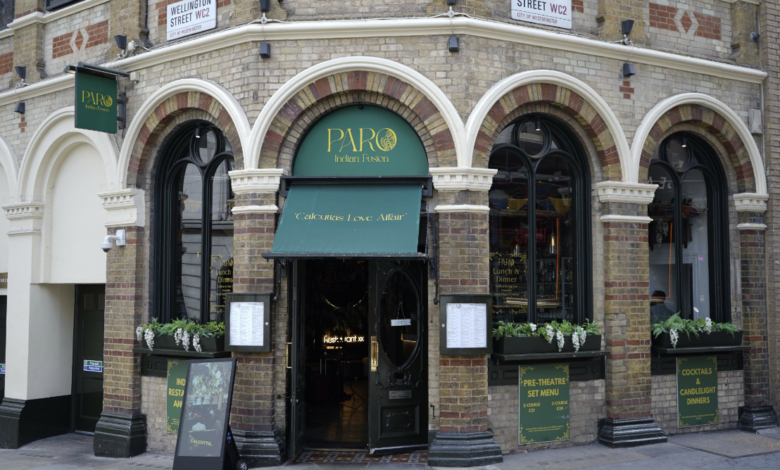
Anyone researching Restaurant Strand options is usually trying to make sense of a genuinely crowded food scene, one shaped by centuries of trade, immigration, and cultural exchange rather than a single cuisine or era. The Strand and its surrounding streets near Covent Garden and Holborn have long been a meeting point for London’s theatre crowds and its diverse culinary traditions, and Indian restaurants are among the most visible threads in that story. Understanding what terms like halal actually mean, how Indian food came to be so deeply embedded in British dining, and why dishes like chicken tikka masala get called the country’s unofficial national dish helps put any dining decision in context — whether you end up at a long-standing curry house or somewhere newer, such as Paro near the Lyceum Theatre.
What Halal Dining Actually Means
The word “halal” refers to what is permissible under Islamic dietary law, and in a restaurant context it covers far more than just how meat is slaughtered, though that is the starting point. Halal meat must come from an animal slaughtered by a trained individual who invokes a blessing, drains the blood fully, and follows specific welfare-related requirements during the process. Beyond the meat itself, a genuinely halal kitchen also has to think about cross-contamination, the sourcing of stocks, sauces, and gelatine-based ingredients, and whether alcohol is used in cooking. This is why a single “halal” label on a menu can mean quite different things from one kitchen to another, and why diners searching for a reliable halal restaurant central London often look for restaurants that spell out exactly what their certification covers rather than relying on the word alone.
Why Clear Menu Tagging Matters
As dining audiences have become more diverse, clear labelling has shifted from a nice extra to something closer to an expectation. Menus that tag dishes as halal, vegan, vegetarian, gluten-free, dairy-free, or nut-free save diners from having to interrogate staff about every ingredient, and they reduce the risk of a genuine allergic reaction or a religious dietary breach. This kind of transparency is particularly valued in a halal restaurant central London setting, where customers may be observant Muslims, health-conscious diners, or simply people catering to a mixed group with varying needs. A restaurant like Paro, which tags its menu across several of these categories at once, reflects a broader shift in how kitchens communicate with the public rather than leaving diners to guess.
The History of Indian Food in Britain
Indian food history in Britain stretches back further than most people assume, tracing to the East India Company era and the colonial trade routes that first brought spices, tea, and recipes across continents. The first documented Indian restaurant in Britain opened in London in the early nineteenth century, but it was the wave of South Asian immigration during the twentieth century, particularly after the 1947 Partition and through subsequent decades, that turned curry houses into a fixture of ordinary British life. Many of these restaurants were opened by Bangladeshi entrepreneurs, especially from the Sylhet region, who adapted recipes to suit local palates and ingredient availability. Over time, this indian food history became inseparable from Britain’s own culinary identity, with curry houses appearing on high streets in nearly every town and city, not just in major metropolitan centres.
Chicken Tikka Masala and the National Dish of UK Debate
Few dishes illustrate this fusion better than chicken tikka masala, frequently cited as the national dish of uk, a claim first popularised by a government minister in the early 2000s. The dish is widely believed to have originated in Britain itself, likely invented by a South Asian chef adapting tandoori chicken for customers who wanted a saucier dish, rather than being a direct import from the Indian subcontinent. That origin story is exactly why the national dish of uk label sparks debate: it is neither fully Indian nor fully British, but a genuine hybrid created through immigration and adaptation. Its popularity says less about any single recipe and more about how thoroughly Indian and British food cultures have blended over the past century, a pattern that shows up on menus across the Strand and well beyond it.
What Distinguishes Kolkata and West Bengal Cooking
Indian cuisine is not one tradition but many, and regional distinctions matter far more than a general “Indian restaurant” label suggests. Kolkata and the wider West Bengal region are known for a cooking style that leans on mustard oil, panch phoron (a five-spice blend), and a notable fondness for fish and seafood alongside slow-cooked meat dishes, reflecting the region’s river delta geography and its history as a major trading port. Bengali cooking also tends to balance sweetness, heat, and sourness within the same dish rather than favouring one dominant flavour, a technique that sets it apart from the cream-heavy Mughlai style more commonly associated with North Indian restaurants in Britain. Paro’s kitchen, built around a Chef trained in this tradition and a spice blend rooted in Kolkata heritage, is one example of how that regional identity can show up on a Strand-adjacent menu rather than being flattened into generic curry-house fare.
Dietary Transparency as a Wider Dining Trend
The push for clearer labelling around halal status, allergens, and dietary categories is not unique to any one cuisine. Across London’s restaurant scene, kitchens are increasingly expected to document their sourcing and preparation methods, partly driven by regulation following high-profile food safety incidents, and partly by customer demand for accountability. For a halal restaurant central London diner, this trend means less reliance on word-of-mouth assurance and more on visible, checkable information, whether that is a certification body’s logo, an ingredients list, or simply a well-organised menu. This shift benefits everyone, not just religious or medically restricted diners, since clearer information tends to improve standards across the board.
Final Thoughts
Exploring Restaurants Strand options is ultimately an exercise in understanding layered history as much as it is about choosing where to eat. Halal certification, the decades-long evolution of Indian food in Britain, the contested but telling story behind chicken tikka masala, and the distinct character of regional traditions like Bengali cooking all shape what ends up on a menu near the Strand today. Recognising these threads makes it easier to appreciate why a restaurant’s approach to labelling, sourcing, and regional identity matters well beyond the taste of any single dish.
FAQs
What does halal certification actually mean?
Halal certification confirms that meat has been slaughtered according to Islamic law by a trained individual, and that broader kitchen practices around cross-contamination, sourcing, and ingredients meet the same religious standards.
Why is chicken tikka masala called Britain’s national dish?
The label stems from a 2001 speech by a UK government minister and reflects the dish’s likely British origin, having been created by a South Asian chef adapting tandoori chicken to suit local tastes rather than being imported directly from India.
How did Indian restaurants become so widespread in Britain?
Large-scale immigration during the twentieth century, particularly from Bangladesh’s Sylhet region, led entrepreneurs to open curry houses across British towns and cities, gradually embedding Indian-influenced food into everyday British dining habits.
What makes Bengali or Kolkata-style cooking different from other Indian regional cuisines?
Kolkata and West Bengal cooking favours mustard oil, panch phoron spice blends, and a strong emphasis on fish and seafood, along with a balance of sweet, sour, and spicy flavours within the same dish, distinguishing it from richer North Indian styles.
Why has dietary labelling become more important on restaurant menus?
Increased diversity among diners, regulatory changes following food safety incidents, and growing demand for transparency have pushed restaurants to clearly tag halal, allergen, and dietary information rather than leaving customers to ask staff directly.