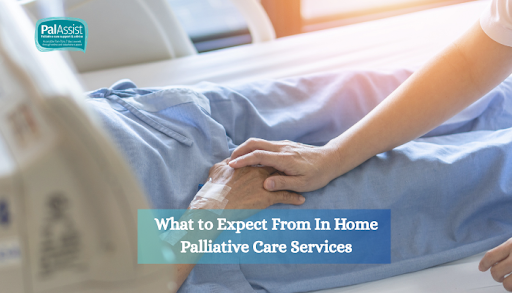
In-home palliative care services in Brisbane bring nursing support, symptom management, and emotional care directly to your loved one. And because care comes to them, people living with a serious illness remain in their own home, surrounded by comfort and familiarity, even through the most difficult times.
Still, for many families, the hardest part is not knowing what to expect. Families often wonder who coordinates everything and if the support will be enough. At PalAssist, our nurses field these questions every day, and we know how much a clear answer changes things for families.
This article covers who qualifies for in-home palliative care, what the day-to-day looks like, and how to find the right support across Queensland.
The full picture starts here.
Care Needs at Home: Who Qualifies for Palliative Support?
Palliative support in Queensland is open to anyone living with a life-limiting illness. Age, diagnosis, and location do not change that. In fact, getting in touch early gives carers and patients more time to arrange the right care.

So, who qualifies for palliative support in Queensland?
Living With a Life-Limiting Illness
A life-limiting illness is any condition where the clinical goal shifts away from curative treatment and centres on comfort and quality of life. That covers diagnoses like cancer, heart failure, motor neurone disease, and chronic obstructive pulmonary disease.
For most people, the path into palliative care starts with a referral from a GP or treating specialist. In our experience, early outreach to palliative care support in Queensland makes the process far less overwhelming (coordinated through your local Hospital and Health Service).
Age, Location, and Care Circumstances
In Queensland, in-home palliative care is open to adults, young people, and aged care residents. Torres Strait Islander people and those in regional or remote areas can also access home care support through the SPaRTa telehealth service. It connects patients immediately to specialist palliative care teams, expanding care options across the state.
So, regardless of where you are in Queensland, the right support is within reach. The next section explains what that support looks like day-to-day.
What Does In-Home Palliative Care Involve?
A full clinical team manages in-home palliative care, including nurses, a palliative care specialist, and allied health professionals. They handle pain, medication, and emotional support, all coordinated around the patient’s daily life.

At the centre of all of it sits the care plan. Unlike a standard clinical document, it gets reviewed and adjusted as the patient’s needs change, with the patient’s wishes driving every decision. Families are actively involved in that process, too.
Beyond clinical care, holistic support in Queensland covers physical, emotional, and spiritual wellbeing, with an aim to provide care that supports the whole person.
The Day-to-Day Reality of Care at Home
No two patients experience in-home palliative care the same way, but the structure of support remains steady. That support breaks down into two practical areas: clinical care and emotional support.
Home Nursing Support and Clinical Care
A palliative care nurse practitioner visits regularly, monitoring pain, other symptoms, and overall comfort. Each visit includes a care plan review, so the team catches any changes in the patient’s condition and acts on them quickly.
From there, doctors and health professionals across the broader palliative care team coordinate their response. That is what makes a good palliative care team work like a compass, always adjusting direction based on where the patient is.
Emotional Support for Patients and Families
Grief does not always wait until the end of life. Many family members and support carers find that the emotional weight builds gradually, well before the final stages.
That is why emotional support runs throughout the entire care period, and bereavement support continues long after the very end of the care period. This gives patients, friends, and family members someone to talk to throughout the grief process.
Aged Care and End-of-Life Care: When Both Apply
At some point, an aged care resident’s needs shift beyond what standard aged care covers. Palliative care fills that gap, and the two systems can run alongside each other (the overlap trips up most families).
For aged care residents, specialised palliative care adds clinical support that aged care alone does not provide. That includes dedicated pain management, a comfort-focused care plan, and emotional support. Families can request this arrangement directly through the aged care facility, and palliative care providers can step in from there.
In practice, end-of-life care delivered at home or in a familiar aged care setting covers the practical matters and compassion required. There is no need to move to a hospice or unfamiliar facility.
And the earlier families raise this with their aged care provider, the more time they have to get the right care in place.
Palliative Care Providers in Queensland: How to Find the Right Fit
To find the right palliative care provider in Queensland, start by contacting PalAssist. They assess your care needs and connect you to the right team without delay. Start with any of these option that best fits your situation:
- Nurse-Led Phone Support: PalAssist offers free palliative care services staffed by registered nurses, seven days a week, including emergency support and additional information for families at any stage of care. One call connects families to quality palliative care guidance and referral support.
- Telehealth for Remote Patients: SPaRTa connects patients in regional Queensland immediately to specialist palliative care teams via telehealth. In short, patients receive the same standard of specialised care without travelling to a metro area.
- Referrals and Care Coordination: A well-coordinated referral connects families to the right health professionals in their local area without the usual back-and-forth. In our experience, that alone saves weeks. Palliative Care Queensland maintains a broad network of providers and resources across the state.
- Bereavement and Ongoing Support: Ongoing emotional guidance and community resources stay available long after the care period ends, so families always have somewhere to turn.
The right starting point depends on your location, your care needs, and how urgently support is required.
Care at Home Begins With One Call
Supporting a loved one through serious illness is one of the hardest things a person can face. The right palliative care services make that period more manageable, more dignified, and far less isolating. And in Queensland, every family has access to a free, nurse-led team ready to help.
This article covered who qualifies for in-home palliative care and what day-to-day support looks like. We also covered how aged care and palliative care connect, and how to find the right providers across Queensland.
Our team at PalAssist understands what this period asks of families, and we are here to lighten that load. Call 1800 772 273 today. Our nurses provide free, nurse-led support seven days a week, from your very first call.