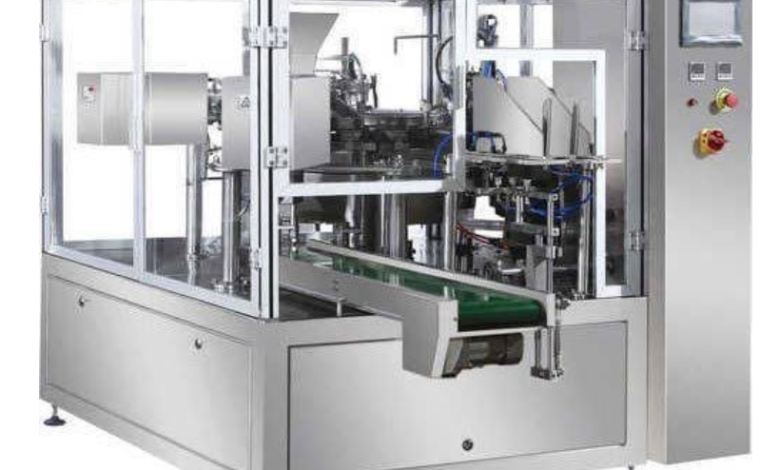
In the competitive world of consumer goods manufacturing, where profit margins are often razor-thin and operational efficiency directly impacts the bottom line, the pouch packing machine represents both a significant capital investment and a critical opportunity for cost optimization. The strategic approach to maximizing pouch packaging efficiency encompasses everything from machine selection and operator training to maintenance optimization and waste reduction, each contributing to the overall productivity and profitability of the packaging operation. The pouch packing machine is not just a piece of equipment but rather a production asset whose performance can be optimized through careful attention to setup, operation, and continuous improvement. The industry that produces these machines has developed extensive expertise in helping manufacturers achieve peak efficiency, with suppliers offering comprehensive support that includes process optimization, performance monitoring, and ongoing technical assistance. The global demand for efficient pouch packaging continues to grow, driven by the increasing pressure on manufacturers to reduce costs, improve quality, and meet sustainability goals. Understanding the strategies and best practices for maximizing the efficiency of a pouch packing machine is essential for production managers, plant engineers, and business owners who recognize that packaging efficiency is fundamental to competitive advantage and business success.
The Optimization of Changeover Processes
One of the most significant opportunities for improving the efficiency of a pouch packing machine lies in the optimization of changeover processes, because the time required to switch between different products, pouch sizes, or film types directly impacts overall equipment effectiveness. The changeover process typically involves adjusting the forming collar, sealing jaws, filling system, and cutting mechanism, and the time required for these adjustments can range from 15 minutes to over an hour depending on the machine design and operator experience. The implementation of quick-change tooling systems, where the forming collar, sealing jaws, and other change parts are pre-set and can be swapped as complete assemblies, can dramatically reduce changeover time to 5 to 10 minutes. The use of recipe management systems, where all machine settings for a specific product are stored and can be recalled with a single command, eliminates the need for manual adjustment of individual parameters and reduces the risk of errors. The standardization of pouch sizes and film types across product lines reduces the frequency and complexity of changeovers, because fewer changeovers are required and each changeover is simpler. The training of operators on efficient changeover techniques, including the use of checklists and standardized procedures, ensures that changeovers are performed consistently and efficiently. The measurement and analysis of changeover times provides data for continuous improvement, with target times established and progress tracked over time. The optimization of changeover processes is one of the most effective ways to improve the overall efficiency of a pouch packing machine, because reduced changeover time translates directly to increased production capacity and reduced operating costs.
The Reduction of Packaging Waste
The reduction of packaging waste is both an environmental imperative and a significant cost-saving opportunity in pouch packing operations, because the cost of packaging materials can represent a substantial portion of total production costs. The precise control of film usage is one of the most important waste reduction strategies, because film waste can result from inaccurate film feed, improper sealing, or excessive trim waste, and even small reductions in film usage can generate significant savings over time. The optimization of pouch dimensions, including the reduction of excess film in the seal area and the minimization of trim waste, can reduce film consumption by 5 to 10 percent without affecting the functionality or appearance of the pouch. The implementation of film splicing systems, which enable continuous operation by automatically joining new film rolls without stopping the machine, reduces film waste associated with roll changes and eliminates the scrap from the beginning and end of each roll. The inspection and rejection of defective pouches early in the process prevents the waste of additional materials, because pouches that are identified as defective can be rejected before they are filled and sealed. The monitoring and analysis of waste data provides insights into the sources of waste and enables targeted improvement efforts, with waste reduction targets established and progress tracked over time. The training of operators on waste reduction techniques and the importance of waste minimization ensures that waste reduction is a priority at all levels of the organization. The reduction of packaging waste is one of the most effective ways to improve the profitability of a pouch packing machine operation, because every unit of waste eliminated represents a direct cost saving.
The Implementation of Preventive Maintenance Programs
The implementation of comprehensive preventive maintenance programs is essential to maximizing the reliability and efficiency of a pouch packing machine, because unplanned downtime from equipment failure is one of the most significant sources of lost production and increased operating costs. The preventive maintenance program should include daily, weekly, monthly, and annual maintenance activities, with each activity designed to address specific maintenance needs and prevent specific types of failures. The daily maintenance activities should include cleaning of the machine to remove film residues and dust, inspection of critical components such as sealing bars and cutting blades, and verification that safety devices are functioning properly. The weekly maintenance activities should include lubrication of moving parts, inspection of belts and chains, and verification of sensor accuracy and control system calibration. The monthly maintenance activities should include inspection of electrical systems, inspection of mechanical systems, and verification of all safety systems and interlocks. The annual maintenance activities should include comprehensive inspection and overhaul of the machine, including replacement of worn components, recalibration of all control systems, and verification of compliance with safety and performance standards. The documentation of all maintenance activities is essential to tracking maintenance history, identifying trends, and planning future maintenance activities, and this documentation supports continuous improvement and operational excellence. The investment in preventive maintenance is one of the most effective ways to maximize the return on investment in a pouch packing machine, because well-maintained equipment delivers higher productivity, better quality, and lower operating costs over its service life.
The Training and Skill Development of Operators
The training and skill development of operators is essential to maximizing the efficiency and quality of a pouch packing machine, because the performance of the equipment depends on the knowledge, skill, and attentiveness of the people who operate and maintain it. The operator training should cover the basic principles of pouch packaging, the operation of the specific machine, the setup and adjustment of machine parameters, the identification and resolution of common operating problems, and the proper cleaning and maintenance procedures. The advanced training should cover troubleshooting techniques, optimization of machine settings, and the use of data and analytics to improve performance, enabling operators to identify and resolve issues quickly and effectively. The cross-training of operators on multiple machines provides flexibility in production scheduling and ensures that production can continue if one operator is unavailable. The ongoing training and professional development of operators keeps them current with new technologies, new products, and new procedures, and it supports continuous improvement and innovation. The recognition and reward of operator performance and improvement encourages excellence and reinforces the importance of training and skill development. The documentation of training activities and qualification records is essential to demonstrating workforce competence, supporting regulatory compliance, and identifying training needs for continuous improvement. The investment in operator training and skill development is essential to maximizing the return on investment in a pouch packing machine, because skilled operators can significantly improve productivity, reduce downtime, enhance quality, and extend equipment life, delivering benefits that far exceed the cost of the training itself.