In the complex and sophisticated world of vertical transportation, where passenger safety, comfort, and reliability are paramount, the vast array of elevator accessories represents the essential components that complete and enhance every installation. These components, ranging from the visible interior finishes that define the passenger experience to the hidden safety devices that protect riders, collectively determine the performance, functionality, and longevity of the elevator system. The elevator accessories industry encompasses everything from decorative cabin panels and intuitive control interfaces to critical safety mechanisms like door interlocks and overspeed governors, each playing a vital role in the overall operation of the equipment. The significance of these components extends far beyond their individual functions, because the quality and reliability of the accessories directly impact passenger satisfaction, maintenance costs, and the service life of the elevator. The industry that designs and manufactures these essential components has evolved dramatically, with suppliers offering increasingly sophisticated solutions that incorporate advanced materials, smart technology, and ergonomic design to meet the diverse needs of different building types and passenger populations. Understanding the different categories of elevator accessories, their functions, and their selection criteria is essential for building owners, facility managers, architects, and elevator professionals who recognize that the quality of the components is fundamental to the performance and value of the vertical transportation system.
The Interior and Aesthetic Accessories Shaping Passenger Experience
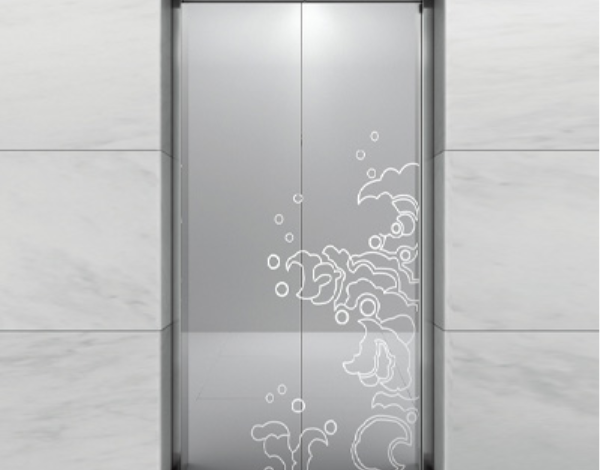
The interior and aesthetic elevator accessories are the most visible components of the system, directly shaping the passenger’s perception of quality, comfort, and the overall building environment. The cabin wall panels are available in an extraordinary range of materials and finishes, from durable stainless steel and vandal-resistant laminates to luxurious wood veneers, leather upholstery, and backlit glass panels that create stunning visual impressions and communicate the building’s design philosophy. The ceiling panels provide a finished surface for the cabin interior, available in designs ranging from simple painted metal to elaborate architectural creations that incorporate lighting, ventilation, and even integrated audio systems, setting the overall tone for the passenger experience. The lighting systems have evolved dramatically, with LED fixtures now offering exceptional energy efficiency, long service life, and the ability to adjust color temperature and intensity to create different moods or signal different operational states, such as reduced lighting during off-peak hours. The handrails serve both functional and aesthetic purposes, providing support for passengers while contributing to the overall design aesthetic, and they are available in a wide range of materials and finishes, from brushed stainless steel to polished brass to wood veneers that add warmth and elegance. The floor coverings, including resilient vinyl, natural stone, and luxury carpeting, are chosen for their durability, cleanability, and aesthetic appeal, with each option offering different benefits in terms of durability, acoustics, and maintenance requirements. The mirror panels, often installed on the back wall of the cabin, serve both practical and psychological purposes, allowing passengers to check their appearance while also making the cabin feel more spacious and less confining. The careful selection and installation of these interior elevator accessories creates a passenger experience that reflects the quality and character of the building, enhancing tenant satisfaction and contributing to the overall value of the property.
The Safety Accessories Protecting Every Passenger
The safety elevator accessories are the most critical components of any elevator system, representing the industry’s unwavering commitment to passenger protection and regulatory compliance. The door locking mechanism is arguably the most frequently used safety accessory, ensuring that the elevator car cannot move away from a landing unless the doors are fully closed and locked, preventing the terrifying possibility of the car ascending or descending with the doors open. The overspeed governor is a masterpiece of mechanical reliability, continuously monitoring the speed of the elevator car and triggering the emergency braking system if the car begins to descend too rapidly, a fail-safe mechanism that has protected countless passengers since its invention. The safety gear, also known as the emergency brake, works in conjunction with the governor, physically clamping onto the guide rails to bring the car to a controlled stop in the event of overspeed or rope failure, a dramatic and potentially life-saving intervention that occurs in fractions of a second. The buffer is another essential safety accessory, installed at the bottom of the elevator shaft to absorb the impact of the car in the event of an overtravel beyond the lowest landing, providing a final layer of protection that mitigates the consequences of a worst-case scenario. The door protective device, which may take the form of a light curtain, infrared sensor array, or mechanical safety edge, detects obstructions in the doorway and prevents the doors from closing on passengers or objects, a function that is particularly vital in busy public buildings where rapid passenger flow is the norm. The emergency communication system, typically an intercom or telephone, allows passengers to call for help in the event of a power failure or mechanical breakdown, providing reassurance and a lifeline to the outside world. These safety elevator accessories are not optional additions but mandatory requirements in virtually every jurisdiction, and their design, manufacture, and maintenance are subject to the strictest regulatory standards, reflecting the industry’s absolute commitment to passenger protection.
The Operational Accessories Ensuring Smooth Performance
The operational elevator accessories are the components that ensure the smooth, efficient, and reliable performance of the elevator system, managing everything from door operation to position sensing and load monitoring. The door operator is the motorized mechanism that provides the power to open and close the doors, incorporating sophisticated sensors and control systems that detect obstructions, adjust closing speed and force, and coordinate the operation of the car doors with the landing doors at each floor. The position sensor, typically a magnetic or optical device, provides precise information about the car’s location within the hoistway, allowing the control system to know exactly when to decelerate for a landing and when to open the doors, ensuring smooth, accurate floor leveling. The load weighing device measures the weight of passengers and cargo in the car and provides information that the control system uses to optimize acceleration, deceleration, and braking performance, ensuring that the ride remains smooth and comfortable regardless of the passenger load. The traveling cable is the vital lifeline that carries power, data, and communication signals between the car and the building’s fixed electrical systems, and this accessory is designed to withstand millions of flexing cycles over its lifetime, ensuring reliable communication between the car and the control system. The guide shoes and roller guides ensure the car moves smoothly and quietly along the guide rails, with the roller guides incorporating springs or other damping mechanisms that absorb minor imperfections in the rails and prevent them from being transmitted to the cabin, ensuring a comfortable ride for passengers. The compensation chain or rope balances the weight of the traveling cable and the hoist ropes, ensuring that the counterweight remains properly balanced throughout the entire travel range of the elevator, a function that is essential for efficient operation and reduced wear on the motor and drive system. The operational elevator accessories work together in perfect coordination to ensure that the elevator operates safely, smoothly, and efficiently, and their quality and maintenance are essential to the long-term performance of the system.
The Future of Elevator Accessories in Smart Buildings
The elevator accessories industry is poised for significant evolution, driven by the increasing integration of smart technology, the growing emphasis on sustainability, and the expanding role of elevators in connected building ecosystems. The development of intelligent elevator accessories that incorporate sensors, connectivity, and data analytics is enabling new levels of performance monitoring, predictive maintenance, and passenger experience enhancement, with components that can communicate with building management systems and provide real-time data on equipment performance, energy consumption, and maintenance needs. The integration of Internet of Things technology is enabling elevator accessories to communicate with each other and with the building’s central management system, providing real-time data on performance, usage patterns, and maintenance needs that allows for predictive maintenance and optimized operation, reducing downtime and extending service life. The growing emphasis on sustainability is driving the development of energy-efficient elevator accessories, such as regenerative drives that capture braking energy and LED lighting that reduces electricity consumption, contributing to green building certifications and reducing operating costs. The use of advanced materials, including carbon fiber composites and engineered polymers, is enabling the creation of lighter, stronger, and more durable accessories that reduce energy consumption and extend service life, while also allowing for more innovative and aesthetically pleasing designs. The future of elevator accessories is one of continuous innovation, characterized by increasing intelligence, connectivity, and sustainability, and the companies that invest in these advanced technologies will be well-positioned to meet the evolving needs of building owners, architects, and passengers, delivering solutions that enhance safety, efficiency, and the overall passenger experience.