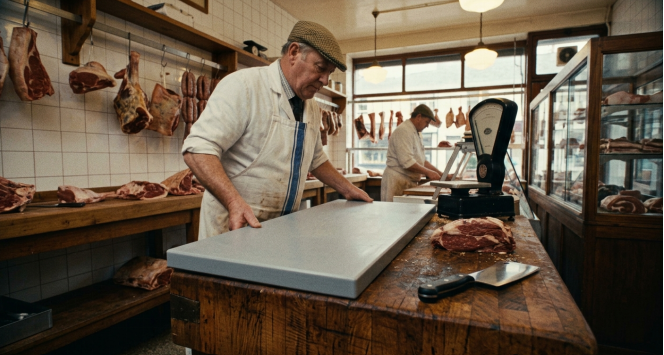
Wooden butchers block chopping boards have stood in UK meat shops for generations. However, more owners are now swapping them for plastic. The reason is hygiene. A wooden block cannot be disinfected as thoroughly as a plastic one.
Inspectors have grown stricter, and a worn wooden block is hard to defend at a food hygiene visit. This guide explains why the switch is happening.
Reasons Why Professionals are Choosing Plastic Butcher Blocks?
Wood Cannot Be Properly Disinfected
Wood is porous, so it soaks up meat juices and moisture through daily use. Moreover, bacteria settle into the grain, and no amount of surface washing reaches them fully.
Several UK councils now advise against wood for this exact reason. Ealing Council states plainly that wooden boards are not recommended because they are difficult to disinfect effectively.
A butchers block chopping board in plastic solves that problem at the source. The surface is non-porous, so juices stay on top where hot water and sanitiser can remove them.
Moreover, a plastic block goes through a commercial dishwasher without damage. Wood cannot take that heat repeatedly, since it warps and splits over time.
Inspectors Favour a Surface They Can Trust
The Food Standards Agency focuses on how you use and clean a board, rather than banning any one material outright. However, a board you cannot fully clean is a board you cannot easily defend.
FSA research found that businesses themselves viewed plastic as relatively hygienic compared with wooden boards. That view now shapes how many shops prepare for inspection.
A commercial chopping board in plastic gives an inspector a surface with a clear cleaning record. You can show it is sanitised, resurfaced, and replaced on a schedule.
That paper trail matters, because your hygiene rating is public. A strong rating protects your reputation, and a weak one costs you customers.
Plastic Blocks Take Heavy Butchery Work
Butchery is hard on any surface, with cleavers, bone saws, and constant chopping through the day. A good plastic block absorbs that punishment without splitting.
A professional chopping board built for butchery uses thick, food-safe polyethylene. The material takes deep knife work while staying kind to your blades.
Thickness is what carries the load here. A heavy block stays flat and stable under a cleaver, so it will not shift mid-cut and cause an accident.
Plus, a thick plastic block can be resurfaced once the cutting face wears down. That planing brings back a smooth surface, which extends the block’s working life for years.
Colour Coding Keeps Meat Separate
A single wooden block often handles every cut in an older shop. That habit risks cross-contamination between different meats and ready-to-eat products.
Plastic blocks come in the standard food safety colours, so each meat gets its own surface. Red handles raw meat, while other colours cover fish, cooked meat, and produce.
An industrial chopping board range in colour lets a busy shop separate tasks cleanly. Staff learn the system fast, and mistakes have nowhere to hide during a rush.
Here is the standard colour scheme for professional chopping board in UK:
- Red for raw meat
- Blue for raw fish
- Yellow for cooked meat
- Green for salad, fruit, and vegetables
- White for bakery and dairy
- Brown for root vegetables
Bespoke Sizing Fits the Block to the Bench
A wooden block comes in fixed sizes, which rarely match a shop’s counter exactly. A plastic block can be cut to the bench you already run.
Ordering bespoke chopping boards means the block fits your workspace with no wasted edge. A deep block suits breaking down large cuts, while a compact one suits trimming and portioning.
That tailored fit removes daily frustration. You get a surface built around how your shop actually works, rather than one you have to work around.
The Cost Works Out Lower Over Time
A quality wooden block costs a lot upfront, and it still wears out with heavy use. A plastic block lasts longer and resurfaces cleanly, so it earns its keep.
The best chopping board for a butchery is the one that survives years of trade. A plastic chopping board in food-safe polyethylene does exactly that.
Replacement costs fall too, since you resurface rather than rebuy. Buying well once beats buying twice, and a butcher watching margins feels that saving.
Make the Switch in Your Shop!
Start by replacing the block that handles raw meat, since that carries the highest risk. Add colour-coded blocks for your other tasks as budget allows.
Choose thick, food-safe polyethylene cut to your bench, and set a resurfacing schedule from day one. Keep raw and cooked strictly apart, and your hygiene record looks after itself.
A wooden block may still suit display or a low-risk job like bread. For daily butchery, though, plastic is the surface that keeps you clean, safe, and inspection-ready.
FAQs
Are wooden butcher blocks banned in UK shops?
No, wood is not banned by the FSA. However, several councils advise against it because wood cannot be disinfected as thoroughly as plastic.
Can I get a block cut to my counter size?
Yes, plastic blocks are made to your exact measurements. A bespoke chopping boards fits your bench and removes any wasted or overhanging edge.
Why is plastic more hygienic than wood?
Plastic is non-porous, so juices stay on the surface where you can clean them off. FSA research found businesses regard plastic as more hygienic than wood for this reason.
Can a plastic butchers block handle cleaver work?
Yes, a thick food-safe polyethylene block takes heavy chopping and bone work. It stays flat under pressure and resurfaces once the cutting face wears down.
How often should I replace a plastic block?
Replace or resurface it once deep grooves appear that trap food. With proper cleaning, a good block serves you for years before that point.