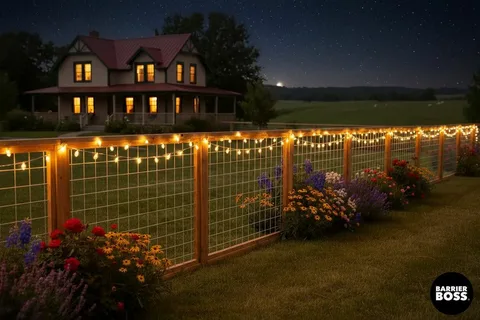
A garden should be a place to relax, entertain, grow plants, and enjoy being outside. Yet for many homeowners, the fence becomes a repeating maintenance job. Timber panels may need staining, painting, sanding, straightening, or replacing after exposure to rain, sun, frost, wind, and general wear. When the boundary is large, those tasks can take whole weekends and still need to be repeated again in a few seasons.
That is why low maintenance garden fencing has become attractive to people who want an outdoor space that looks good without constant upkeep. Composite fencing is one of the main alternatives to traditional wood because it is designed to resist common timber problems while still giving the garden a clean, finished appearance. eComposite, the brand behind the composite fencing range at ecompositeproducts.co.uk, offers UK composite fence panels, trellis, gates, screening, posts, samples, accessories, and related garden products built around long-term outdoor performance.
The Real Cost Of Fence Maintenance
The price of fencing is not only the cost of buying panels. Homeowners also spend time and money on stain, paint, brushes, replacement boards, fixings, cleaning products, and labour. If the fence is difficult to reach because of planting, furniture, sheds, or narrow side access, even a simple treatment job can become awkward.
Maintenance also affects how the garden feels. A weathered or uneven boundary can make a newly landscaped space look unfinished. Panels that warp, split, or fade may draw attention away from planting and patios. When maintenance is delayed, the job often grows larger. What could have been a quick touch-up becomes a more expensive repair or replacement.
Why Composite Fencing Reduces The Upkeep Burden
Composite fencing is usually made from a blend of plastic and wood fibres. eComposite states that its panels use recycled plastic and reclaimed wood fibres, creating a wood plastic composite material for garden fencing. The point of this construction is to provide the appearance and solidity people like in timber while reducing the need for regular surface treatments.
Unlike traditional timber, composite boards are designed to resist rotting, cracking, warping, and weather-related deterioration. eComposite describes its fencing as weatherproof and UV-resistant, with systems intended for the changing conditions of UK gardens. Homeowners should still clean and inspect any outdoor product, but the regular cycle of sanding, staining, sealing, and repainting can be greatly reduced.
It also helps when the supplier can explain cleaning routines plainly. Most homeowners do not want a specialist maintenance schedule; they want to know how to remove ordinary dirt, pollen, algae marks, or splashback from soil and rain. Simple care guidance makes the low-maintenance promise easier to trust.
Design Benefits Beyond Easy Care
Low maintenance does not have to mean plain or functional. A fence is part of the garden’s visual structure, so the material should support the look of the space. Composite fencing can provide a crisp modern backdrop for planting, patios, decking, and outdoor furniture. Depending on the range, homeowners can choose colours, panel styles, trellis sections, vertical boards, Venetian-style arrangements, or matching gates.
This design flexibility is helpful because different parts of the garden may need different treatments. A rear boundary might need privacy. A patio may benefit from a decorative screen. A front garden may call for a lower or lighter style. A side passage may need a secure gate. Using coordinated composite components helps these areas feel connected rather than pieced together.
Planning For Weather And Exposure
A low-maintenance fence should be selected with local exposure in mind. A sheltered courtyard and an open garden in a windy area do not face the same pressures. Homeowners should consider wind load, sunlight, drainage, soil conditions, existing posts, and whether the fence will sit close to trees or heavy planting. eComposite’s site distinguishes between ranges, including Superior fencing for all-weather conditions and Ultimate fencing described as a thicker, reversible option for more demanding weather.
It is also worth thinking about colour stability. UV resistance matters because a fence is exposed every day. Darker colours can create a bold look, but they may also show dust or surface marks differently from lighter shades. Samples are useful because they let homeowners see the material outdoors before committing to a full run of panels.
Installation Choices That Affect Long-Term Results
Even the best fencing material needs a proper installation. Posts must be secure, panels need correct support, boards should be aligned carefully, and accessories should be compatible with the system. In many UK gardens, existing concrete posts may still be usable, while other projects may call for aluminium or composite posts. Checking compatibility before ordering avoids delays and unnecessary returns.
eComposite highlights installation guidance and compatibility with fence panel kits, concrete posts, aluminium posts, and composite systems. That sort of information is valuable because maintenance problems are not always caused by the material itself. Poor fixing, incorrect post spacing, or mismatched accessories can shorten the life of any fence.
When Low Maintenance Is Especially Valuable
Low-maintenance fencing is useful for almost any homeowner, but it is especially valuable in rental properties, family gardens, second homes, busy professional households, and properties with long boundaries. It can also be a sensible choice for older homeowners or anyone who wants to reduce physically demanding garden jobs.
The benefit is not only convenience. A stable, good-looking boundary supports property presentation and makes the garden easier to enjoy. Instead of planning around the next maintenance weekend, homeowners can focus on planting, seating, lighting, and using the space.
Conclusion
Low-maintenance garden fencing is ultimately about time, reliability, and long-term appearance. Homeowners still need to plan carefully, choose appropriate posts and accessories, and follow installation guidance, but composite fencing can reduce many of the recurring tasks linked to timber.
eComposite’s composite fencing range is relevant for homeowners who want a modern UK fencing system with panels, trellis, gates, screening, samples, and accessories designed around weather resistance and easier upkeep. A well-chosen fence should not keep pulling attention back to maintenance; it should quietly support the garden year after year.