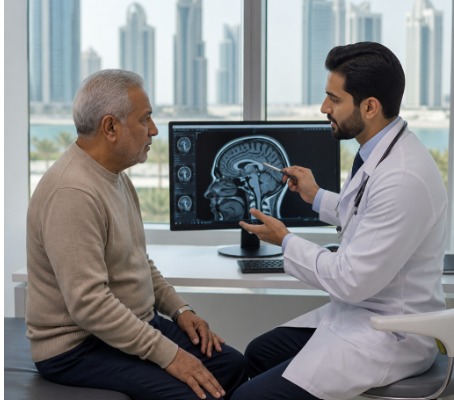
The human nervous system is one of the most intricate and vital structures in the body, governing everything from basic reflexes to complex thought processes. When something goes wrong — whether it is persistent headaches, unexplained numbness, memory lapses, or sudden weakness — the consequences can be life-altering. Yet many people delay seeking specialist care, unsure of when a symptom crosses the line from manageable to medically urgent. Understanding the role of a neurologist, what conditions they treat, and how to access quality neurological care is essential for anyone who values long-term brain health.
What Does a Neurologist Actually Do?
A neurologist is a physician who specializes in diagnosing and treating disorders of the brain, spinal cord, peripheral nerves, and muscles. Unlike neurosurgeons, who perform operations on the nervous system, neurologists primarily manage conditions through clinical evaluation, diagnostic testing, and medical therapies. Their scope of practice is remarkably broad, covering conditions such as epilepsy, Parkinson’s disease, multiple sclerosis, stroke, migraines, dementia, and neuropathy, among many others.
The diagnostic process in neurology is highly methodical. A neurologist will typically begin with a thorough neurological examination, assessing reflexes, coordination, sensation, strength, and cognitive function. From there, they may order imaging studies such as MRI or CT scans, electroencephalograms (EEGs) to measure brain activity, nerve conduction studies, or lumbar punctures. This layered approach allows them to pinpoint the source of a problem with considerable precision before recommending a course of treatment.
Common Neurological Conditions That Require Specialist Attention
Stroke and Cerebrovascular Disease
Stroke is one of the leading causes of death and long-term disability worldwide. It occurs when blood supply to part of the brain is interrupted, either by a clot or a bleed, causing brain cells to die within minutes. Recognizing the warning signs — sudden facial drooping, arm weakness, slurred speech, or severe headache — and acting immediately can mean the difference between full recovery and permanent impairment. Neurologists play a central role not only in acute stroke management but also in long-term rehabilitation and prevention of recurrence.
Epilepsy and Seizure Disorders
Epilepsy affects millions of people globally and is characterized by recurrent, unprovoked seizures caused by abnormal electrical activity in the brain. While a single seizure does not necessarily indicate epilepsy, anyone who experiences one should be evaluated by a neurologist. With the right medication and monitoring, the majority of people with epilepsy can achieve good seizure control and lead full, active lives.
Migraine and Chronic Headache
Migraines are far more than just bad headaches. They are a neurological condition involving intense, often debilitating pain, frequently accompanied by nausea, light sensitivity, and visual disturbances. Chronic migraine — defined as fifteen or more headache days per month — significantly impacts quality of life and productivity. A neurologist can identify triggers, prescribe preventive medications, and recommend lifestyle modifications that substantially reduce the frequency and severity of attacks.
The Intersection of Neurology and Cardiology in Complex Cases
Neurological and cardiovascular health are more closely connected than many patients realize. Conditions such as atrial fibrillation, for example, significantly increase the risk of stroke by allowing blood clots to form in the heart and travel to the brain. In these cases, a multidisciplinary approach involving both cardiologists and neurologists is essential. Understanding the distinctions between different cardiac specialists is equally important — for instance, knowing the difference between a cardiac surgeon and an interventional cardiologist helps patients navigate their care team more effectively. Collaborative care between these specialties ensures that patients with overlapping conditions receive comprehensive, coordinated treatment rather than fragmented advice.
Surgical vs. Non-Surgical Approaches in Neurological Care
While neurologists themselves do not perform surgery, they work closely with neurosurgeons when operative intervention becomes necessary. Conditions such as brain tumors, herniated discs causing nerve compression, or severe cases of hydrocephalus may require surgical management. Understanding the broader landscape of surgical options available to patients is important for informed decision-making. Resources that explain the various methods of surgery can help patients and families better understand what to expect when a procedure is recommended, reducing anxiety and improving preparedness.
In many neurological conditions, however, surgery is not the first or even the preferred option. Advances in pharmacology, neuromodulation techniques such as deep brain stimulation, and evidence-based rehabilitation programs have expanded non-surgical treatment pathways considerably. The goal is always to achieve the best possible outcome with the least invasive approach.
Accessing World-Class Neurological Care in Abu Dhabi
For residents and visitors in the UAE, access to high-quality neurological care has never been more accessible. Consulting a skilled neurologist abu dhabi at Cleveland Clinic Abu Dhabi means benefiting from a team of internationally trained specialists who bring global expertise to a regional setting. The Neurological Institute at Cleveland Clinic Abu Dhabi offers comprehensive diagnostic and treatment services for the full spectrum of neurological conditions, from common disorders like migraine and epilepsy to complex conditions such as movement disorders, neuromuscular diseases, and brain tumors. Patients receive individualized care plans built on the latest clinical evidence and delivered with a patient-centered philosophy.
Cleveland Clinic Abu Dhabi: A Center of Neurological Excellence
Cleveland Clinic Abu Dhabi is part of a globally recognized healthcare system with a long-standing reputation for clinical excellence, research, and innovation. The Neurological Institute brings together neurologists, neurosurgeons, neuropsychologists, neuroradiologists, and rehabilitation specialists under one roof, enabling a truly integrated approach to patient care. This multidisciplinary model ensures that complex cases are reviewed by multiple experts, reducing diagnostic delays and improving treatment outcomes.
The institute is equipped with advanced diagnostic technology, including high-resolution MRI systems, intraoperative neurophysiological monitoring, and a dedicated epilepsy monitoring unit. Whether a patient requires a routine neurological consultation or management of a rare and complex condition, the team is structured to deliver care that meets international standards while remaining sensitive to the cultural and personal needs of patients in the region.
When Should You Make an Appointment?
Many people wait too long before seeking neurological evaluation, often dismissing symptoms as stress-related or temporary. While not every headache or moment of forgetfulness signals a serious problem, certain warning signs should never be ignored. These include sudden severe headache unlike any experienced before, new onset of seizures, progressive weakness or numbness, significant changes in vision, difficulty speaking or understanding language, loss of balance or coordination, and unexplained changes in memory or behavior.
Early evaluation by a neurologist can make a profound difference in outcomes. Many neurological conditions are far more treatable when caught in their early stages, and a timely diagnosis can prevent unnecessary suffering and long-term disability. If you or someone you care for is experiencing any of these symptoms, scheduling a consultation with a qualified neurologist should be a priority, not an afterthought.
Conclusion
Neurological health is foundational to overall well-being, yet it remains one of the most underappreciated aspects of preventive and specialist care. Whether you are managing a chronic condition, recovering from a neurological event, or simply concerned about symptoms that have persisted longer than they should, expert neurological care can provide clarity, direction, and effective treatment. In Abu Dhabi, patients have access to a world-class neurological institute staffed by specialists committed to delivering the highest standard of care. Taking that first step toward evaluation is not just a medical decision — it is an investment in your quality of life.