Dental Implants in Singapore: 7 Things to Consider Before Replacing a Missing Tooth

A gap in your smile rarely stays a purely physical problem for long. It changes how you chew, how you speak, and often how you show up in photos, meetings, and first dates. Many people who lose a tooth quietly start avoiding wide smiles or group selfies long before they ever book a dental consultation, and that slow withdrawal is worth paying attention to. If you have been researching dental implants in Singapore as a way to fix a missing tooth, you are not just shopping for a procedure. You are looking for a solution that restores function, appearance, and a bit of peace of mind at the same time.
That said, implants are not a one-size-fits-all decision. The right choice depends on your bone health, budget, timeline, and even your emotional readiness for a multi-step treatment. Before you commit to a clinic or a treatment plan, it helps to slow down and think through the practical and personal factors that actually shape the outcome. Below are seven things worth weighing carefully, along with a look at why tooth loss affects more than just your bite.
1. Your Jawbone Density Matters More Than You Think
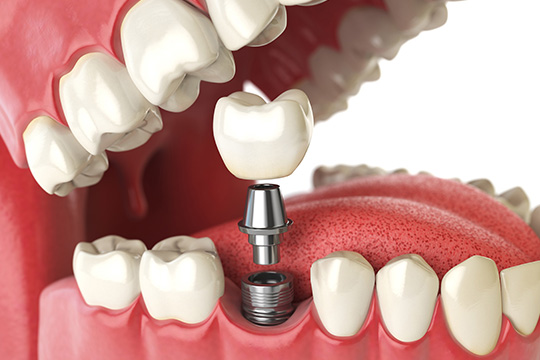
Dental implants work because the titanium post fuses with your jawbone through a process called osseointegration. If the bone at the implant site has thinned out, which commonly happens months after a tooth is lost, your dentist may recommend a bone graft or sinus lift before placing the implant. This is not a red flag or a sign something went wrong. It is simply part of ensuring the implant has a stable foundation.
A 3D CT scan is usually the first step in figuring out whether your jaw can support an implant right away or needs preparatory work. Skipping this step to save money upfront often leads to complications, delays, or implant failure later, which ends up costing more in both time and money.
2. The Real Cost Involves More Than the Implant Itself
Pricing for dental implants in Singapore can look confusing at first because clinics often quote the fixture, abutment, and crown separately. A single implant typically ranges from around S$2,500 to S$6,000 depending on the brand, material, and complexity of your case, and that figure can climb further if bone grafting or a sinus lift is required.
Before signing a treatment plan, ask for an itemised breakdown so you understand exactly what is included:
- Implant fixture (the titanium post placed into the jawbone)
- Abutment (the connector piece between post and crown)
- Crown material, whether porcelain, zirconia, or metal-ceramic
- Consultation, X-ray, and CT scan fees
- Any additional procedures like bone grafting or sinus lifting
Also check what your MediSave account can offset. In Singapore, MediSave generally covers part of the surgical placement of the implant fixture, though the crown and abutment are usually classified as non-surgical restorative work and paid separately.
3. Not Every Implant Brand Is the Same
Dental implants are not interchangeable products. Clinics in Singapore commonly use Korean systems such as Osstem or Dentium, which tend to be more budget-friendly, alongside premium European or Swiss systems like Straumann, which carry a higher price tag but often come with decades of clinical research behind them. Neither option is inherently wrong. The right choice depends on your specific case, your budget, and what your dentist believes will integrate best with your bone structure.
Ask your dentist which system they recommend and why, rather than assuming the most expensive option is automatically the best one for your situation.
4. Healing Timelines Require Patience
Getting an implant is rarely a single-visit procedure. After the fixture is placed, most patients need a healing period of roughly three to six months for osseointegration to complete before the final crown is attached. Smokers, diabetics, and patients with lower bone density sometimes need longer.
This timeline matters practically, especially if you have an important event, wedding, or work milestone coming up. Planning your treatment months in advance, rather than a few weeks before a deadline, helps avoid disappointment.
5. Missing Teeth Take a Toll on Mental Wellness, Not Just Appearance
It is easy to treat tooth loss as purely cosmetic, but research suggests the psychological weight is real. Studies looking at oral health and mental wellness have found associations between tooth loss and higher rates of self-reported poor mental health, alongside reduced self-esteem and increased social withdrawal. People with visible gaps often report feeling more self-conscious in photos, hesitant to laugh openly, or anxious about speaking up in meetings and social settings.
This emotional dimension is worth acknowledging honestly rather than brushing aside. Some common effects people describe include:
- Avoiding smiling widely or covering the mouth when talking
- Feeling more anxious in social or professional situations
- Declining invitations to gatherings or photos
- Noticing changes in speech or chewing that add to frustration
- A gradual dip in confidence that outlasts the original dental issue
Restoring the tooth does not just fix the smile. For many people, it removes a daily source of low-grade stress they had gotten used to carrying. If tooth loss has affected your confidence more than you expected, that reaction is common and worth mentioning to your dentist, since it can shape how urgently you want to pursue treatment.
6. Aftercare Determines How Long the Implant Lasts
A well-placed implant can last decades, but that longevity depends heavily on how it is maintained afterward. Regular brushing, flossing around the implant site, and routine dental check-ups are just as important as the surgery itself. Peri-implantitis, an inflammation of the tissue around an implant, is one of the more common reasons implants fail years down the line, and it is largely preventable with consistent oral hygiene.
Ask your clinic what their follow-up schedule looks like and whether they provide guidance on caring for the implant during the first few months, when the site is most vulnerable.
7. Choosing a Clinic With the Right Experience
Not all dental clinics handle implants with the same level of experience, and this is one area where it genuinely pays to be selective. Look for a clinic with dentists who have documented training in implantology, transparent pricing, and a track record of handling cases similar to yours, whether that is a single missing tooth or a more complex full-arch case.
Established clinic groups such as Nuffield Dental have built a reputation in Singapore for offering structured implant consultations that walk patients through bone assessment, treatment options, and realistic timelines before any commitment is made. Whichever clinic you choose, do not hesitate to ask for before-and-after cases, request a second opinion if something feels rushed, and confirm the dentist performing your surgery has direct implant placement experience rather than only general dentistry training.
Final Thoughts on Replacing a Missing Tooth
Deciding to move forward with an implant is rarely just about the procedure itself. It touches your budget, your patience for a multi-month process, and often your sense of confidence in everyday interactions. Taking the time to understand your bone health, get a transparent cost breakdown, and choose a clinic you genuinely trust puts you in a much stronger position than rushing into the first quote you receive. A missing tooth does not have to stay a permanent source of self-consciousness, and with the right preparation, replacing it can be one of the more straightforward decisions you make for both your smile and your peace of mind.