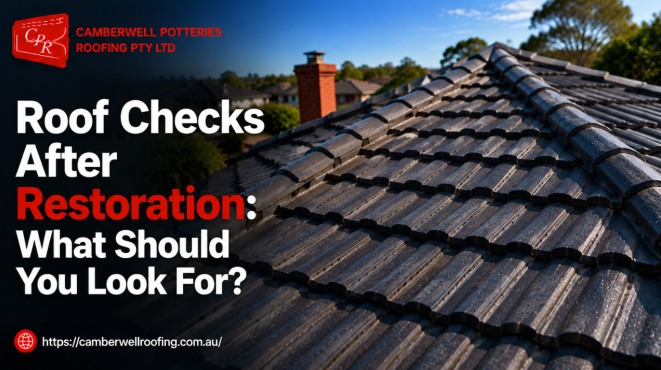
You have just had your roof restored. It looks sharp, it is sealed, and it should hold up for well over a decade. However, that lifespan depends on what you do next.
A roof restoration Melbourne homeowners pay good money for can last ten or twenty years, depending mostly on upkeep.
This checklist covers what to look at once the restoration crew packs up, and how often to look.
Post-Restoration Roof Care: Simple Maintenance Tips for Homeowners
1. Give the New Coating Time to Cure
Do nothing first. That sounds odd, but a fresh coating needs to harden before anyone sets foot on it.
Most roofers say wait at least 7 days after the final topcoat before any foot traffic. If you walk on it early, you will mark or lift the finish you just paid for. So keep the ladders, the tools, and the kids off the roof for that first week.
2. Inspect the Ridge Capping and Pointing
The ridges sit at the highest joins and cop the worst of the weather, so they are worth a proper look. Once the pointing has cured, which takes around 24 hours, check for:
- Smooth, sealed pointing with no hairline cracks
- Ridge caps that sit firm and evenly aligned
- No visible gaps where the caps meet the tiles
Spot anything off? Tell your roofer while the job is fresh, not next winter.
3. Check for Loose or Slipped Tiles
Restoration replaces the cracked and broken tiles, but tiles can still shift in the weeks after. Every month or so, look over the roof from ground level for anything that has lifted or slid out of line. Catching one slipped tile early is one of those small roof maintenance tips that saves a real headache, because a single gap is all water needs to get underneath.
4. Clear the Gutters and Downpipes
This is the big one. Good roof maintenance after restoration lives and dies on drainage, and blocked gutters undo good work fast by pushing water back under your edge tiles.
In leafy Melbourne suburbs, twice a year is realistic. Clear out the leaves, moss and grit, and make sure the downpipes run free. Your roof and your foundations both benefit.
5. Watch for Returning Moss or Lichen
A restoration strips all of it away, but shaded and south-facing sections can slowly draw it back. Check those damp, low-sun spots on your seasonal walk around the house. Early patches wipe out easily. Left alone, they creep across the tiles and hold moisture where you least want it, which keeps your roof maintenance Melbourne routine playing catch-up.
6. Look for Signs of Water Ingress Inside
Your ceiling is an honest reporter. After heavy rain, head into the roof space and check for anything new:
- Fresh water stains or damp rings on the ceiling
- A musty smell that was not there before
- Damp insulation or timber
These are the first hints water is getting in. Sensible post-restoration roof care means acting on them now, because a small fault found today costs a fraction of a spreading leak next season.
7. Keep Flashings and Penetrations Sealed
Flashings seal the awkward joins, around chimneys, vents and skylights, and those stay leak-prone long after the tiles are sound. Give them a look after any big storm, since wind-driven rain tests these spots harder than any open stretch of roof. You are checking that every seal is still intact and firmly stuck down.
8. Book a Professional Inspection Regularly
Your own checks catch a lot. A trained eye catches the rest. The general advice is a professional inspection every five years to stay ahead of wear. Experienced roofing contractors Melbourne locals trust will read the coating, pointing and tiles as one system and flag early problems before they cost you.
9. Keep a Simple Maintenance Record
You do not need anything fancy here. A note on your phone does the job. Jot down:
- The restoration date and products used
- Each gutter clean and inspection
- Any repairs done since
It helps any future roofer understand your roof in seconds, and it is handy proof of care if you ever sell.
10. Know How Long Your Restoration Should Last
Knowing the timeline keeps your expectations sensible and your maintenance on track. Here is roughly what to expect:
| Timeframe | What’s happening | What to do |
| First week | Coating cures | Stay off the roof |
| Years 1–5 | Roof performs at its best | Seasonal checks, gutter cleans |
| Year 5 | Wear starts, mostly unseen | Book a professional inspection |
| Years 10–15 | Paint fades, pointing cracks | Plan a re-coat or touch-up |
Catch that late-stage wear early, and you are often looking at a simple re-coat, not a full re-restoration. Good roofing services Melbourne providers will tell you honestly which one you need.
Protect the Investment You Have Already Made
A restored roof is not set-and-forget. What you do in the years afterward decides whether it protects your home for one decade or two. Run through this roof maintenance checklist each season: curing time, ridge caps, tiles, gutters, moss, leaks, flashings and the odd professional inspection. Keep a record as you go.
Steady post-restoration roof care is genuinely the whole difference. When it is time for a professional set of eyes, Camberwell Potteries Roofing can help keep your restored roof in top shape.
Frequently Asked Questions
How soon can I walk on my roof after restoration?
Give it at least seven days after the final coat. The coating needs that time to cure and bond properly.
How often should a restored roof be inspected?
Every five years by a professional is the general rule. Your own seasonal checks cover the gaps in between.
How long does a roof restoration last?
Usually ten to fifteen years. Regular maintenance is what pushes it toward the longer end.
What is the most important post-restoration task?
Keeping the gutters clear. Blocked gutters force water under the tiles and undo the work fast.
When should I call a roofer after restoration?
Call if you see fresh ceiling stains, slipped tiles, or cracked pointing. Early action keeps small issues cheap.