Medical cannabis has quietly become part of the modern healthcare landscape in the UK. What was once a fringe and controversial subject is now a legal, if still developing, treatment option that fits into the way people live and manage their health today. Remote consultations, better information and growing awareness have all changed how patients engage with it. Understanding how legal treatment works in this modern context helps people see it for what it is: a regulated medical pathway, not a relic of debate or a lifestyle trend.
A Quiet Shift in Everyday Healthcare
The change has been gradual rather than headline grabbing. Over recent years, medical cannabis has moved from the edges of the conversation toward a more ordinary place within healthcare. People increasingly understand that it is legal, prescribed by specialists and handled through proper channels.
This normalisation reflects a broader trend in modern healthcare, where patients are more informed, more proactive and more willing to ask about a wider range of options. Medical cannabis has been carried along by that shift, becoming a subject people feel able to explore openly with professionals.
How Modern Access Works
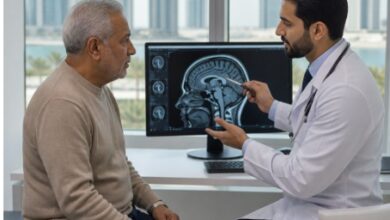
Modern life has reshaped how patients reach treatment. Remote consultations mean that someone can be assessed by a specialist without lengthy travel, fitting an appointment around work and family commitments. This convenience has made the legal route far more practical than it was a few years ago.
The substance of the process, however, remains unchanged. A specialist still assesses eligibility, still makes the prescribing decision, and still keeps any treatment under review. Technology has made access easier, but it has not loosened the clinical safeguards that keep patients safe.
Exploring Options for Everyday Conditions
As awareness grows, more people with common long term conditions are curious about whether medical cannabis might help them. They research, they ask questions, and they arrive at consultations better informed than patients once did. This is modern healthcare in action.
Someone dealing with a painful condition such as gout, for instance, might look into medical cannabis for gout to understand whether it could ease symptoms like persistent pain. The essential point remains that this is symptom management decided by a specialist, not a cure, and researching it is simply the first step toward an informed conversation.
Informed Patients in the Digital Age
One of the defining features of modern life is access to information, and healthcare is no exception. Patients today expect to be able to research their options, compare services and understand a treatment before committing to it. That expectation has reshaped how people approach medical cannabis.
Reliable resources on medical cannabis help patients cut through the noise and approach the subject with realistic expectations. Being well informed does not replace professional advice, but it does allow people to engage with their care as active participants rather than passive recipients.
Professional Oversight Remains Central
For all the modern convenience, professional oversight is still the foundation of the system. Prescribing remains restricted to specialists, and medical bodies continue to emphasise caution and evidence. The British Medical Association, through the BMA, provides guidance and analysis on cannabis based medicinal products that reflects the medical profession’s careful approach.
This professional grounding is what keeps modern access responsible. The ease of a remote consultation does not change the fact that a qualified specialist remains in charge of every clinical decision, exactly as it should be.
A More Open Conversation
One of the most striking features of modern life is how much more openly people discuss their health. Subjects that were once kept private are now talked about freely, and medical cannabis has benefited from that shift. Patients are more willing to ask questions, share experiences and seek information without embarrassment.
This openness has practical benefits. When people feel able to raise the subject with professionals and with one another, misunderstandings are corrected more quickly and realistic expectations spread more easily. The stigma that once surrounded the topic continues to fade as the conversation becomes more ordinary.
It also encourages a healthier relationship with treatment generally. Patients who feel comfortable discussing their options are better placed to make informed choices, ask for the support they need, and engage with their care as partners. In that sense, the changing conversation around medical cannabis reflects a wider and welcome shift in how modern healthcare works.
Fitting Treatment Into Real Life
Ultimately, understanding medical cannabis in modern life means seeing it as one regulated option among many, accessed through a process that has adapted to how people live now. It is more reachable and better understood than ever, yet still firmly anchored in specialist care.
This article is general information rather than medical advice, and anyone considering treatment should speak with a qualified specialist about their individual situation. Approached thoughtfully, with good information and professional guidance, patients can understand legal treatment clearly and decide whether it has a place in their own modern, busy lives.