If you own a property here and you’re weighing up whether to let it out, the good news is there’s a genuinely strong market for it — but getting it right takes a bit more thought than just listing the place and hoping for the best. Owners who let Isle of Wight holiday homes successfully tend to be the ones who understand the island’s particular rhythm, and who plan around it rather than against it. Here’s what makes the difference between a property that sits empty half the year and one that keeps bookings coming in whatever the season.
Understand the Island’s Natural Seasonality First
The Isle of Wight has always leaned heavily on its summer months, and it’s easy to see why. The beaches, the festivals, the sailing scene around Cowes — all of it peaks between roughly May and September, and that’s when demand for holiday lets is at its strongest. But treating the island as a purely summer destination is exactly where a lot of owners leave money on the table. The island genuinely holds up as a year-round destination, with mild weather compared to much of the rest of the country and plenty to do outside the peak months. Owners who plan their marketing and pricing around this fuller picture, rather than just the summer rush, tend to see far steadier bookings across the calendar.
Use the Island’s Events Calendar to Your Advantage
One of the smartest things you can do as an owner is build your booking strategy around the island’s packed events calendar rather than treating it as background noise. Cowes Week, running every August since 1826, draws thousands of sailors and tens of thousands of spectators to the north of the island, and properties anywhere near Cowes or East Cowes see a real spike in demand around it. The Isle of Wight Festival, based in Newport, does something similar for a different crowd entirely. Beyond these headline events, there’s a steady run of smaller festivals and carnivals throughout the year that savvy owners use to fill gaps in their calendar that might otherwise sit empty, particularly in the shoulder months either side of peak summer.
Play to Your Property’s Location
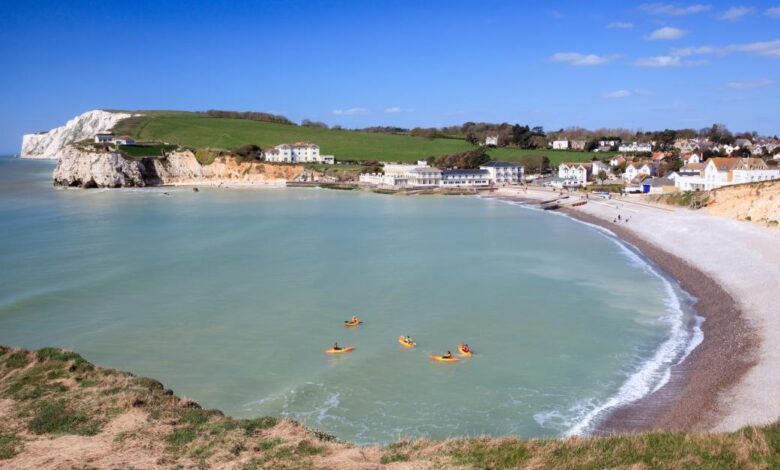
Different parts of the island appeal to different types of guest and understanding where your property sits are genuinely useful when it comes to marketing it well. A property near Sandown or Shanklin naturally suits family bookings looking for a classic seaside holiday, given the gently sloping beaches and traditional seafront feel. Somewhere closer to Ventnor can lean into its reputation as one of the sunnier, more Mediterranean-feeling spots on the island. A property near Cowes has an obvious appeal to sailing enthusiasts and anyone visiting for the regatta, while a base out towards Yarmouth or the west coast suits guests chasing dramatic scenery around the Needles and the Tennyson Heritage Coast. Leaning into what makes your specific location distinctive, rather than marketing it as generic “Isle of Wight coastal property,” tends to attract more engaged guests and better reviews.
Don’t Overlook the Quieter Attractions
It’s tempting to market a holiday home purely around beaches and sunshine, but the island has plenty going for it outside the obvious summer appeal, and highlighting this can genuinely extend your booking season. The island’s dark skies, now recognised through its UNESCO Biosphere Reserve status, make it a proper draw for stargazing enthusiasts during the quieter autumn and winter months. Fossil hunting along spots like Compton Bay and Yaverland appeals to families during off-peak school holidays, while the island’s network of coastal and inland walking and cycling routes draws visitors well outside the traditional beach season. Owners who mention these details in their listings, rather than leading purely with sun-and-sand imagery, often find they pick up bookings during months that would otherwise be dead time.
Get the Practical Details Right
Beyond marketing, the practical side of letting matters just as much. Guests visiting the island typically arrive by ferry or hovercraft, so clear guidance on travel logistics, parking, and the practicalities of getting around once they’ve arrived makes a real difference to guest satisfaction and repeat bookings. Properties that offer flexibility around check-in times during peak events like Cowes Week, when ferry crossings and roads get considerably busier, tend to earn better reviews than those that stick rigidly to standard arrival windows regardless of what’s happening on the island that week.
Think About Presentation Beyond the Basics
With genuine competition from a wide range of accommodation types across the island, from boutique hotels to holiday parks to countless other self-catering cottages, presentation matters more than ever. Good-quality photography that actually captures what makes your specific location special, whether that’s a sea view, proximity to a particular beach, or a garden that catches the evening sun, tends to convert browsing into bookings far more effectively than generic shots. Guests are increasingly booking holidays based on the story a property tells about the experience they’ll have, not just the number of bedrooms.
Build in Flexibility for Shoulder Seasons
The months either side of peak summer, roughly April to May and September to October, are where the biggest opportunity for growth tends to sit for island holiday lets. Weather is often still pleasant, the island is noticeably quieter, and guests who prefer a more relaxed pace are actively looking for exactly this kind of trip. Owners who adjust their pricing and minimum-stay requirements to be more flexible during these periods, rather than applying peak-season rules year-round, generally find they can convert a good chunk of this shoulder-season interest into confirmed bookings.
Bringing It All Together
Letting successfully on the Isle of Wight isn’t really about luck or simply owning a nice property in a nice place, though both help. It comes down to understanding the island’s genuine year-round appeal, timing your marketing around its calendar of events, playing to what makes your specific location distinctive, and getting the practical guest experience right at every stage. Owners who take this fuller view, rather than relying purely on the summer rush, tend to build a much steadier and more resilient booking pattern across the whole year.