Every square foot of your shop floor costs money. With commercial rent on high streets and retail parks across the UK remaining a significant overhead, you simply cannot afford dead space. You need to display a wide variety of stock, keep aisles clear, and maintain an inviting atmosphere.
The simplest way to achieve this without expanding your premises is to build upwards. Installing a high gondola is a highly effective way to maximise vertical space, increase your product capacity, and subtly direct customer flow.
This guide breaks down exactly what these tall shelving units are, how to choose the correct specifications for your shop, and how to avoid the common shopfitting mistakes that can turn a great layout into a claustrophobic maze.
What Exactly Is a High Gondola?
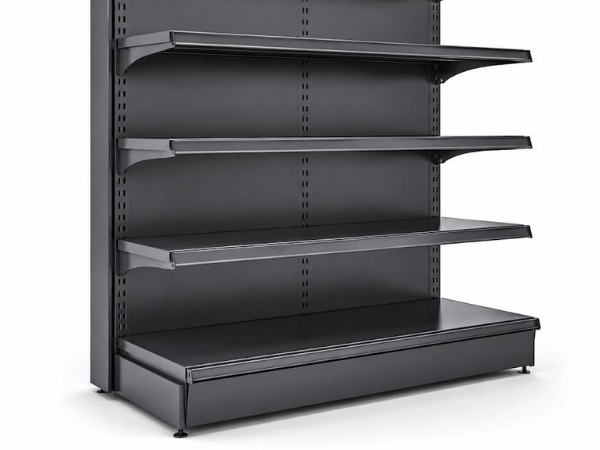
A gondola is a freestanding, double-sided shelving unit commonly used in the centre of a retail store floor. While standard or low gondolas typically sit around 1.2 to 1.4 metres high, a high gondola generally starts at 1.8 metres and can reach up to 2.4 metres or more.
These units form the structural backbone of supermarkets, pet shops, hardware stores, and large convenience stores. Because they are double-sided, they allow retailers to merchandise products back-to-back, creating structured aisles that guide shoppers through the premises.
Who Needs Tall Retail Shelving?
Not every shop benefit from tall centre-floor fixtures. They are best suited for:
- Convenience stores and supermarkets: To hold a massive volume of dry goods and household items.
- Hardware and DIY shops: To display bulky or oddly shaped items using deep base shelves and pegboard backings.
- Pet supply stores: To house large bags of feed at the bottom and lighter accessories at the top.
- Stationery and craft shops: Where slatwall backings can hold hundreds of small, blister-packed items on hooks.
The Practical Benefits of Tall Shelving Units
Investing in the right shop shelving UK suppliers offer can completely change how your store operates. Here is why stepping up the height makes sense.
Massive Increases in Stock Density
The most obvious benefit is sheer capacity. Adding an extra 600mm of height to a standard gondola gives you room for two or three extra rows of shelves. This means more stock on the floor and less sitting idle in the stockroom.
Creating Defined Customer Pathways
People naturally follow the paths laid out for them. Taller units create solid visual barriers. When a customer cannot see over a shelving unit, they are compelled to walk down the aisle. This gives you complete control over the customer journey, ensuring they walk past promotional end bays and high-margin products.
Highly Customisable Merchandising
High units give you the flexibility to mix display types. You might use solid shelves for heavy boxes on the bottom half, and a slatwall panel with euro hooks for hanging accessories on the top half. This versatility is much harder to achieve on a low unit without everything looking cramped.
How to Choose the Perfect Unit for Your Shop
Selecting the right fixtures is not just about picking a height. You must consider how the unit interacts with your stock and your building.
Measure Your Ceiling and Lighting Clearances
Before ordering, look up. Older UK high street buildings often have low or suspended ceilings. Your shelving must leave adequate space below light fittings and air conditioning vents. If your shelves block the main lighting track, your merchandise will sit in shadows, making it look unappealing.
Select the Right Pitch
“Pitch” refers to the distance between the slots on the upright posts. The European standard is typically a 50mm pitch. Sticking to this standard ensures you can easily source extra shelves, wire risers, and EPOS ticket edgings from almost any UK supplier later on.
Choose the Correct Back Panel
The back panel separates the two sides of the gondola and provides structural support.
- Solid Panels: Best for standard shelving. They create a clean, solid backdrop for boxed goods.
- Slatwall Panels: Feature horizontal grooves. Ideal for clothing, accessories, or anything hanging.
- Pegboard/Volcano Panels: Punched with holes. Great for hardware or heavy-duty hanging tools.
Determine Base Leg Depth
The depth of your base shelf determines how stable the unit is and how much floor space it consumes. A 470mm base is standard for most convenience stores. If you sell large items like 15kg bags of dog food or bulk multipacks, you may need a deeper 570mm base.
Common Mistakes When Fitting Shop Shelving
Even experienced shopfitters occasionally misjudge a layout. Avoid these common pitfalls to ensure your store remains welcoming.
Creating the “Canyon Effect”
If you place 2.1-metre-high gondolas in very narrow aisles, shoppers will feel boxed in. This is known as the canyon effect. If you use tall fixtures, your aisles must be reasonably wide—ideally a minimum of 1.2 metres—so two shopping baskets or a wheelchair can pass through comfortably.
Ignoring Accessibility Reach
Placing everyday, fast-moving items on the very top shelf of a 2-metre unit frustrates customers. Keep top shelves reserved for lightweight, bulky items (like kitchen roll or multipack crisps) or extra backstock. High-margin and popular products should sit in the “strike zone”—between waist and eye level.
Neglecting End Bays
The ends of a tall gondola row are prime retail estate. Leaving them blank is a massive waste of revenue potential. Always cap your runs with a promotional end bay (also known as a gondola end) to highlight seasonal goods or special offers.
Best Practices for Merchandising Tall Units
Once your high gondola is installed, how you stock it determines its success.
Anchor with Heavy Goods:
Always place the heaviest items on the base shelf. This grounds the unit visually, makes it physically more stable, and prevents customers from having to lift heavy weights from above their heads.
Use Colour Blocking:
Tall units hold a lot of visual information. Help the customer’s eye make sense of it by grouping similar colours and brands together in vertical blocks rather than spreading them horizontally across a long aisle.
Invest in Good Ticketing:
Because tall units hold hundreds of products, clear pricing is essential. Use continuous EPOS ticket strips on the shelf edges to keep barcodes and price labels neat, scannable, and secure.
High Gondolas vs. Low Gondolas: Which Do You Need?
Understanding the trade-offs between different heights will help you finalise your shop plan.
| Feature | High Gondola (1.8m – 2.4m+) | Low Gondola (Under 1.4m) |
| Stock Capacity | Very high. Maximises vertical space. | Moderate. Better for fewer, select items. |
| Line of Sight | Blocks sightlines. Creates distinct aisles. | Leaves sightlines open. Makes shops look larger. |
| Best Location | Centre of large floors, long main aisles. | Near checkout counters, middle of small shops. |
| Security/Theft | Harder to monitor from the till. | Easy to see across the store for security. |
| Lighting Needs | May require aisle-specific ceiling lighting. | Does not typically interfere with general lighting. |
Making the Right Choice for Your Store
Fitting out a shop is a balancing act between creating an inviting atmosphere and displaying enough stock to turn a profit. A well-placed high gondola is often the missing piece of the puzzle for retailers struggling with limited floor space.
By carefully considering your ceiling height, choosing the correct base depth, and ensuring your aisles remain wide enough for comfortable browsing, you can dramatically increase your product range. Remember to merchandise logically—keeping heavy items low and eye-catching products at eye level. When planned correctly, tall shelving does not just hold your stock; it actively improves the way customers shop your store. Read more: shop solutions midlands
Frequently Asked Questions
Do I need planning permission to install taller shelving?
No. Shelving units are classified as temporary internal fixtures, not structural changes. However, you must ensure they do not block designated fire exits or breach building safety regulations.
How much weight can a standard retail shelf hold?
A typical 50mm pitch steel shelf can hold between 80kg and 120kg depending on the depth and brackets used. Always check the manufacturer’s load-bearing limits if you are stocking liquids or heavy hardware.
Can I attach slatwall hooks to a standard solid back panel?
No. Solid back panels do not have the necessary grooves. If you plan to hang items, you must order the gondola with either slatwall or pegboard back panels.
What is an EPOS strip?
It is a plastic edging that clips onto the front of the shelf. It holds price tickets and barcodes (Electronic Point of Sale data) securely in place while allowing customers to read them clearly.
Are these units bolted to the floor?
Most centre-floor gondolas are entirely freestanding and balance perfectly on their base legs, especially once loaded with stock. They do not usually require drilling into your shop floor.