Buying a property is a major commitment, and understanding its ownership structure is essential before making an offer. One less common arrangement buyers may encounter is a flying freehold. This occurs when part of one property extends over or beneath another property, creating a legal and practical relationship between neighbouring owners.
Flying freeholds are often found in older homes, converted buildings, and properties with unusual layouts. They are not automatically a reason to avoid purchasing a property, but they do require careful investigation.
Local property professionals, including Hunters Wokingham Estate Agents, can help buyers understand the local market, assess the property’s position, and identify important questions before proceeding.
What Is a Flying Freehold?
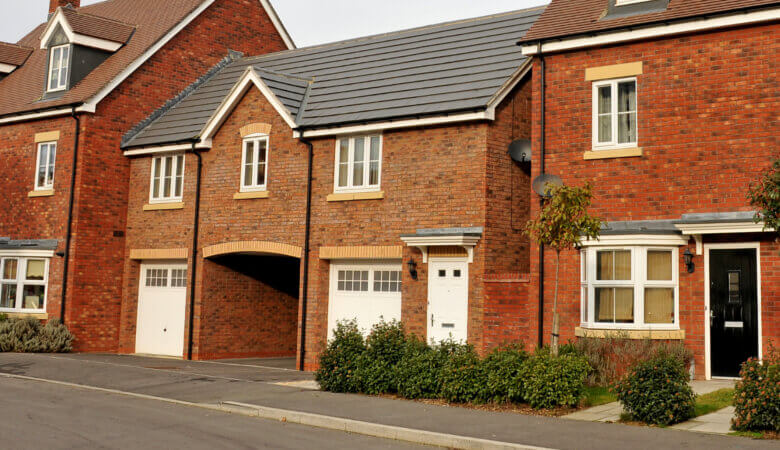
A flying freehold exists when part of a freehold property extends over or under land that belongs to someone else.
Common examples include:
- A bedroom built above a shared passageway
- A room extending over a neighbouring property
- A basement running beneath part of another building
- A first-floor section positioned above land owned by someone else
- Two converted properties with overlapping sections
The owner still holds the freehold of their property, but the physical overlap creates additional responsibilities relating to maintenance, structural support, and access.
How Flying Freeholds Occur
Flying freeholds often result from historical building designs, extensions, or later property conversions.
Older buildings may have been divided into separate homes long after their original construction. In other cases, extensions or alterations may have created sections that project over neighbouring land.
These arrangements can provide extra space and distinctive architectural features, but they may also create uncertainty if the legal documents do not clearly explain the rights and obligations of each owner.
Understanding how the flying freehold was created helps buyers assess whether the arrangement is practical and properly documented.
Understanding the Legal Structure
A flying freehold remains a form of freehold ownership. However, part of the property is physically connected to or supported by an area owned by another person.
This can create questions about:
- Structural support
- Repair responsibilities
- Maintenance access
- Shared walls or roofs
- Alterations and extensions
- Damage affecting both properties
The title deeds should clearly explain the property boundaries and any rights attached to the overlapping area.
Buyers should ensure that the legal documents define who is responsible for maintaining shared or supporting structures and whether access can be obtained when repairs are necessary.
Review the Title Documents Carefully
A solicitor or conveyancer should review the title documents before the buyer makes a final commitment.
The legal review should establish:
- Which parts of the property are included in the title
- Whether rights of support exist
- Whether access rights are legally enforceable
- Who is responsible for repairs
- Whether restrictions apply to alterations
- Whether previous agreements affect the property
- Whether any disputes have been recorded
Unclear or incomplete title documents may lead to future disagreements between neighbouring owners.
The buyer should fully understand the ownership arrangement before exchanging contracts.
Arrange a Detailed Property Survey
A detailed property survey is particularly important when buying a home with a flying freehold.
A basic valuation may not identify structural concerns, maintenance problems, or weaknesses in the sections where the properties overlap.
A qualified surveyor can assess:
- The condition of supporting walls
- Roof and floor structures
- Signs of movement or cracking
- Damp or water damage
- Maintenance requirements
- Areas that may require shared access
- Whether further specialist checks are needed
A thorough survey can help buyers identify potential costs before completing the purchase.
Understand Maintenance Responsibilities
Maintenance responsibilities should be clearly established before purchasing a property with a flying freehold.
For example, part of one property may depend on another owner’s wall, roof, or supporting structure. If repairs become necessary, both owners may need to cooperate.
Buyers should determine:
- Who maintains the supporting structure
- Who pays for shared repairs
- Whether costs are divided
- How urgent work will be arranged
- Whether written permission is needed
- What happens if one owner refuses to cooperate
Clear responsibilities reduce the risk of disagreement and unexpected expenses.
Check Access Rights
Access rights are important because repairs may require entry through a neighbouring property.
For example, work on an exterior wall, roof, or supporting section may not be possible from the buyer’s own land.
The legal documents should confirm whether the owner has the right to enter neighbouring land for necessary inspection, maintenance, or repair work.
Without clearly documented access rights, even routine maintenance may become difficult.
Buyers should ask their solicitor to confirm that any required rights are legally enforceable.
Consider Property Protection
Buyers should confirm that suitable property protection is available for the home and that the provider understands the flying freehold arrangement.
The provider may request details about:
- The proportion of the property affected
- The condition of shared structures
- Existing legal agreements
- Access rights
- Repair obligations
- Previous damage or disputes
Buyers seeking to follow Islamic financial principles may also explore Shariah-compliant protection or takaful options where available.
Any terms, exclusions, and responsibilities should be reviewed carefully before completion.
Evaluate the Property’s Condition
The condition of the overlapping section can affect both the property’s safety and its long-term maintenance needs.
Buyers should look for signs such as:
- Cracks in walls or ceilings
- Uneven floors
- Water damage
- Damp patches
- Damaged roofing
- Poorly completed alterations
- Evidence of structural movement
These signs do not always indicate a serious problem, but they should be investigated by a qualified professional.
Repair costs should be considered before making or revising an offer.
Consider Future Resale
A flying freehold can affect future marketability because some buyers may be unfamiliar with the arrangement.
However, a well-maintained property with clear legal documentation can still attract strong interest.
Factors that may improve resale prospects include:
- A desirable location
- Clear title documents
- Enforceable access rights
- Well-defined repair responsibilities
- Good property condition
- No history of neighbour disputes
- Complete maintenance records
Transparency is important when selling. Providing clear information early can reassure future buyers and reduce delays.
Assess the Asking Price
The asking price should reflect the property’s condition, location, size, features, and legal structure.
A flying freehold does not automatically make a property less valuable, especially if the arrangement is properly documented and managed.
However, unresolved legal concerns, unclear maintenance responsibilities, or structural issues may affect the price.
Local professionals such as Hunters Wokingham Estate Agents can help buyers understand how similar properties are performing in the area and whether the asking price appears realistic.
Negotiate Based on Evidence
Buyers should base negotiations on survey findings, legal checks, and local market information rather than assumptions.
If professional checks identify concerns, the buyer may negotiate:
- A lower purchase price
- Completion of repairs
- Clarification of legal rights
- Updated agreements
- Additional documentation
- Resolution of existing disputes
A well-informed negotiation can help protect the buyer’s interests and reduce uncertainty.
Review Neighbouring Arrangements
Because a flying freehold creates a closer relationship between neighbouring properties, buyers should understand how the current arrangement works in practice.
Useful questions may include:
- Have repairs previously been carried out jointly?
- Are there existing written agreements?
- Have any disputes occurred?
- Is access usually granted without difficulty?
- Are shared areas properly maintained?
- Have structural concerns been raised before?
A cooperative relationship between neighbouring owners can make the arrangement easier to manage.
Understand Restrictions on Alterations
Some changes may affect the neighbouring property or shared structure.
Before planning an extension, conversion, roof alteration, or structural improvement, the owner may need to check:
- Title restrictions
- Planning permission requirements
- Building regulations
- Neighbouring rights
- Party wall requirements
- Structural implications
Buyers should not assume they will be free to alter every part of the property.
Future improvement plans should be discussed with a solicitor, surveyor, or relevant local authority before work begins.
Benefits of Buying a Flying Freehold Property
Although flying freeholds require additional checks, they can offer several advantages.
These properties may include:
- More internal space
- Unique layouts
- Character features
- Historic architecture
- Convenient passageways
- Additional upper-floor rooms
- Attractive converted spaces
Some buyers may find that the distinctive design makes the property more appealing than a standard home.
The key is ensuring that the legal and structural arrangements are clear and manageable.
Common Mistakes to Avoid
Buyers should avoid making a decision before fully understanding the property.
Common mistakes include:
- Ignoring the title documents
- Relying only on a basic valuation
- Failing to arrange a detailed survey
- Assuming access rights exist
- Overlooking repair responsibilities
- Not checking previous disputes
- Underestimating future maintenance costs
- Making an offer without professional advice
Taking time to investigate the property can prevent complications after completion.
Questions to Ask Before Buying
Before proceeding, buyers may wish to ask:
- How much of the property is affected?
- What structure supports the overlapping section?
- Who is responsible for maintenance?
- Are access rights clearly documented?
- Have any disputes occurred?
- Are there restrictions on alterations?
- Is suitable property protection available?
- Has the property undergone structural work?
- Are all legal documents complete?
- Will the arrangement affect future resale?
Clear answers to these questions can help the buyer make a confident decision.
Working with Property Professionals
Buying a property with a flying freehold may involve several professionals.
An estate agent can provide local market information and explain the property’s selling history.
A solicitor or conveyancer can review the title, covenants, restrictions, and access rights.
A surveyor can examine the structure and identify maintenance concerns.
Together, these professionals can help the buyer understand the property from legal, practical, and market perspectives.
Final Considerations
Buying a house with a flying freehold does not need to be overly complicated, but it requires careful investigation.
Buyers should review the legal structure, arrange a detailed survey, confirm maintenance responsibilities, check access rights, and understand any restrictions before completing the purchase.
A flying freehold should be treated as an issue to investigate rather than an automatic disadvantage.
With clear documentation, a sound structure, realistic expectations, and professional guidance, buyers can make an informed decision and enjoy the benefits of owning a distinctive property.