Brixton Orchard: A Landmark of Urban Greening and Community Sustainability in London
Transforming Urban Space Into a Thriving Green Community Hub

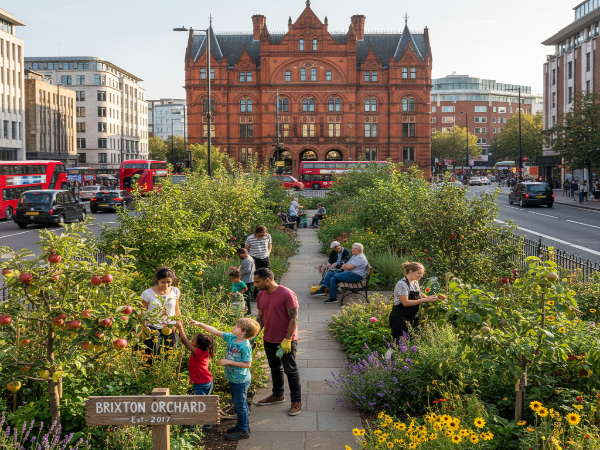
Brixton Orchard is a community-led urban orchard located opposite Lambeth Town Hall in Brixton, South London. Established in 2017, it transforms previously underused land into a green public space that promotes biodiversity, food growing, environmental awareness, and community well-being in one of London’s busiest districts.
Introduction
In the heart of South London, surrounded by traffic, shops, and daily city activity, Brixton Orchard stands as a powerful example of what urban transformation can achieve. Established in 2017 opposite Lambeth Town Hall, this community orchard represents more than a collection of fruit trees. It symbolizes sustainability, environmental awareness, and community collaboration in action.
Urban areas across the world face challenges such as pollution, limited green space, and reduced biodiversity. Brixton Orchard demonstrates how thoughtful planning and community engagement can convert small or neglected spaces into vibrant environmental assets. It has become a local landmark for green innovation, education, and social connection.
The Vision Behind Brixton Orchard
The vision of Brixton Orchard was rooted in sustainability and community benefit. The project aimed to:
Increase urban biodiversity
Improve local environmental quality
Encourage food growing in city spaces
Strengthen community engagement
Provide an accessible green space for everyone
Rather than allowing unused land to remain overlooked, local organizations and partners worked together to create a productive and meaningful environment. The orchard now serves as a model of how cities can integrate nature into everyday life.
Location and Accessibility
Brixton Orchard is located opposite Lambeth Town Hall in Brixton, one of London’s most dynamic districts. Its central location makes it easily accessible to residents, visitors, students, and community groups.
One of the orchard’s strengths is its openness. It is a public space designed for everyone. The accessibility ensures that individuals from all backgrounds can enjoy nature without barriers. Whether someone is passing by, taking a walk, or intentionally visiting, the orchard provides a welcoming green environment.
History and Development
The orchard was established in 2017 as part of a broader initiative to enhance urban sustainability. The site was transformed from underutilized land into a productive green space.
The development process involved collaboration between local authorities, environmental organizations, and community groups. This partnership approach ensured that the orchard reflected the needs of the local community while supporting environmental objectives.
Since its creation, the orchard has continued to evolve. Community participation plays a key role in maintaining the trees and surrounding greenery. This ongoing involvement strengthens the sense of ownership and pride among local residents.
Design and Landscape Features
Brixton Orchard was carefully designed to balance productivity and aesthetics. The layout includes:
A variety of fruit trees
Edible hedgerows
Wildflower areas
Open communal space
The diversity of plants supports pollinators such as bees and butterflies. Wildflowers enhance the natural ecosystem, while fruit trees provide seasonal interest and food resources.
The orchard design reflects modern principles of urban landscape planning, emphasizing sustainability, low maintenance, and ecological benefits.
Biodiversity Benefits
One of the most significant contributions of Brixton Orchard is its impact on biodiversity. Urban environments often lack natural habitats, making it difficult for wildlife to thrive. By introducing a variety of trees and plants, the orchard creates a supportive ecosystem.
The presence of fruit trees and flowering plants helps:
Support pollinating insects
Provide seasonal food sources
Encourage soil health
Create micro-habitats for small wildlife
Even small green spaces can make a measurable difference in biodiversity when thoughtfully maintained. Brixton Orchard demonstrates that ecological impact does not require large land areas—only intentional design.
Environmental Impact in an Urban Setting
Cities are known for challenges such as air pollution and heat retention. Green spaces help address these issues by:
Absorbing carbon dioxide
Filtering airborne particles
Reducing urban heat
Improving local air quality
Brixton Orchard contributes to environmental improvement by increasing vegetation in a high-traffic area. While it may be modest in size, its presence adds measurable environmental value.
Additionally, green spaces encourage sustainable thinking. Visitors often develop greater awareness of environmental responsibility after interacting with urban nature projects like this orchard.
Community Engagement and Participation
Community involvement is at the heart of Brixton Orchard. Local volunteers participate in planting, maintenance, and educational activities. This engagement ensures that the orchard remains healthy and active.
Community participation offers several benefits:
Encourages teamwork and collaboration
Builds stronger neighborhood relationships
Teaches practical gardening skills
Promotes environmental stewardship
By working together, residents create a shared space that reflects collective effort. This sense of cooperation strengthens community identity.
Educational Value
Brixton Orchard also serves as an informal learning environment. Schools, youth groups, and local organizations can use the space to learn about:
Plant growth and seasonal cycles
Food production processes
Ecosystem balance
Environmental sustainability
Hands-on experiences in green spaces can inspire long-term interest in environmental science and sustainable living. Children and young people especially benefit from exposure to natural environments in urban settings.
Food Growing in the City
Urban food growing is becoming increasingly important. Projects like Brixton Orchard highlight the possibility of producing food locally within city limits.
Fruit trees offer seasonal harvests, encouraging residents to understand where food comes from. This connection to food sources can improve awareness of nutrition, sustainability, and waste reduction.
Local food growing initiatives reduce the distance between production and consumption, promoting environmentally conscious lifestyles.
Social and Well-Being Benefits
Green spaces have well-documented positive effects on mental and physical well-being. Brixton Orchard provides a calm environment within a busy district.
Benefits of such spaces include:
Reduced stress
Increased relaxation
Opportunities for outdoor activity
Improved mood and focus
Access to natural surroundings supports overall community health. Even brief exposure to greenery can positively influence emotional well-being.
A Model for Urban Greening
Brixton Orchard represents a successful model of urban greening. It shows how cities can:
Convert unused land into productive space
Collaborate with local partners
Integrate biodiversity into urban planning
Engage communities in environmental initiatives
Its success demonstrates that sustainable projects do not require massive infrastructure. Instead, vision, cooperation, and commitment can create lasting impact.
Other cities can draw inspiration from Brixton Orchard when designing their own green initiatives.
Sustainability and Long-Term Vision
Sustainability is not a short-term concept; it requires continuous effort. Brixton Orchard’s long-term success depends on ongoing community care and environmental awareness.
By encouraging volunteer participation and maintaining diverse plant life, the orchard supports resilience. Seasonal changes are embraced rather than resisted, aligning the project with natural cycles.
This sustainable approach ensures the orchard remains valuable for future generations.
Why Brixton Orchard Stands Out
Several factors make Brixton Orchard especially noteworthy:
Central urban location
Strong community involvement
Biodiversity-focused design
Public accessibility
Environmental and educational value
It combines ecological function with social purpose. Few projects successfully balance these elements in such a compact urban setting.
Challenges and Maintenance
Like any living landscape, Brixton Orchard requires maintenance. Trees need care, soil must remain healthy, and plants must be managed responsibly.
Community engagement plays a vital role in overcoming these challenges. Regular attention ensures the orchard remains attractive, safe, and productive.
Sustained collaboration between residents and local authorities helps secure its future.
The Broader Importance of Urban Orchards
Urban orchards are increasingly recognized as essential components of sustainable cities. They contribute to:
Climate adaptation
Community resilience
Food security awareness
Ecological restoration
Brixton Orchard is part of this growing movement toward greener cities. It highlights the role of local action in addressing global environmental challenges.
Future Potential
As awareness of sustainability increases, Brixton Orchard can continue to inspire further initiatives. Potential developments may include:
Expanded educational programs
Increased volunteer engagement
Additional biodiversity enhancements
Community events focused on sustainability
The orchard’s adaptable design allows it to grow alongside community needs.
Conclusion
Brixton Orchard is more than an urban garden—it is a living example of how cities can integrate nature, sustainability, and community engagement. Established in 2017 opposite Lambeth Town Hall, it transforms urban space into a thriving green environment that supports biodiversity, food growing, education, and well-being.
Through collaboration, thoughtful design, and active community involvement, Brixton Orchard demonstrates that even small spaces can create meaningful environmental impact. It stands as an inspiring model for urban greening and a symbol of how people and nature can coexist harmoniously within a modern city.