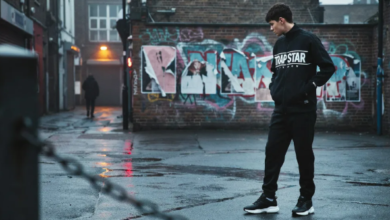
Fashion changes constantly. One season may favor oversized jackets and wide trousers, while another brings slimmer shapes or more structured tailoring back into focus.
But regardless of what is currently trending, one principle remains surprisingly consistent: clothing usually looks best when its proportions work well with the person wearing it.
This is why understanding fit and silhouette can be more useful than simply following every new fashion trend.
Fit Is More Than Choosing the Correct Size
Many shoppers think of fit primarily in terms of standard size labels such as small, medium, or large.
In reality, those labels provide limited information.
Two garments marked as the same size can have completely different shoulder widths, chest measurements, sleeve lengths, rises, and overall lengths.
The intended silhouette also matters.
An oversized shirt is supposed to provide additional room, while a tailored jacket may be designed to sit much closer to the body.
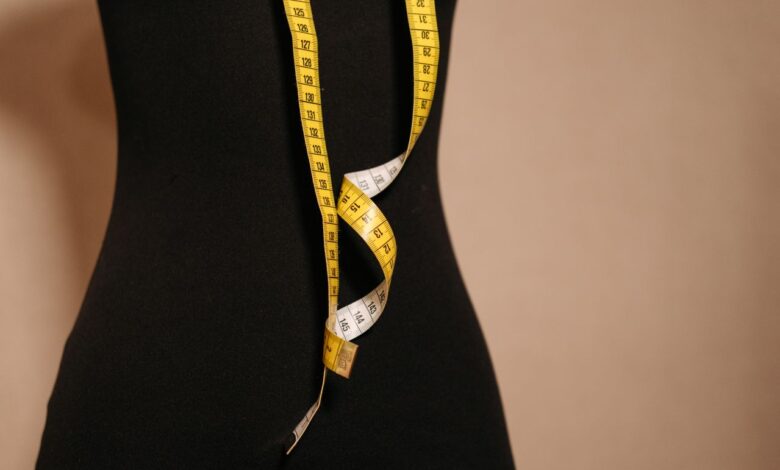
This makes actual garment measurements particularly useful when comparing clothing.
Shoulder Width Can Change the Entire Look
The shoulder line is one of the most influential elements of an upper-body garment.
A structured jacket with a defined shoulder can create a sharper silhouette, while a dropped shoulder produces a softer and more relaxed appearance.
Neither approach is inherently better.
The important question is whether the result matches the intended style.
This is particularly noticeable with coats, jackets, sweatshirts, and knitwear, where even a relatively small difference in shoulder construction can change how the entire garment hangs.
Length Influences Proportion
Garment length is another detail that can dramatically affect an outfit.
A shorter jacket can visually lengthen the legs, while longer outerwear creates a different vertical line.
The same principle applies to tops.
A long oversized shirt paired with wide trousers produces a very different proportion from a shorter fitted top worn with the same trousers.
Rather than evaluating each item individually, it is useful to consider how the lengths of different garments interact.
Trouser Shape Has a Major Impact
Trousers often determine the overall silhouette of an outfit.
Straight-leg, tapered, wide-leg, bootcut, and cropped designs all create different visual proportions.
Rise also matters.
Higher-rise trousers can change the apparent relationship between the torso and legs, while lower-rise designs create another type of balance.
Footwear then changes the result again.
Wide trousers worn with substantial sneakers can feel balanced, while the same trousers paired with slimmer footwear may produce a completely different effect.
Measurements Are Particularly Important Online
When shopping online, consumers cannot immediately try on a garment.
This makes measurements and detailed photographs much more important.
Chest width, shoulder width, sleeve length, total length, waist measurements, and trouser rise can provide far more useful information than a size label alone.
Korean consumers comparing fashion products online may use large catalogs such as 배때지 to explore different clothing, bags, shoes, watches, and accessories while researching available styles.
Looking carefully at measurements can be particularly helpful when comparing products from different manufacturers because sizing conventions are not always consistent.
Oversized Clothing Still Needs Proportion
Oversized fashion is sometimes misunderstood as simply wearing clothing that is several sizes too large.
Good oversized styling is usually more deliberate.
A garment may have additional width in the body or dropped shoulders while maintaining carefully considered sleeve and overall lengths.
Balance is important too.
Some people combine an oversized upper body with straighter trousers, while others deliberately use volume throughout the entire outfit.
Both approaches can work when the proportions appear intentional.
Layering Changes the Required Fit
Outerwear needs to accommodate what is worn underneath it.
A jacket that fits perfectly over a thin T-shirt may feel restrictive when worn over heavy knitwear.
This becomes especially important during colder seasons.
Consumers choosing coats and jackets should therefore consider not only their body measurements but also the thickness of the clothing they expect to layer underneath.
A small amount of additional room can significantly improve comfort.
Tailoring Can Transform Simple Clothing
Perfect fit does not always need to come directly from the original garment.
Simple alterations can dramatically improve clothing.
Trouser length can be adjusted, waist measurements can sometimes be modified, and sleeves may be shortened depending on garment construction.
These changes can make relatively simple clothing appear much more considered.
This is one reason tailoring remains relevant even in an era dominated by ready-to-wear fashion.
Trends Work Better When Adapted
Fashion trends can provide useful inspiration, but they do not need to be copied exactly.
An extremely oversized runway silhouette can be adapted into something more practical. A dramatic trouser shape can be moderated while retaining the basic idea.
Personal style develops when trends are interpreted rather than simply reproduced.
Understanding one’s preferred proportions makes that process much easier.
Final Thoughts
Great style is not determined entirely by labels, prices, or the latest trend.
Fit and proportion often have a greater influence on how clothing actually looks when worn.
Shoulder width, garment length, trouser shape, layering space, and overall silhouette all contribute to the final result.
Learning which proportions work best for an individual’s wardrobe can make shopping more consistent and reduce dependence on constantly changing trends.
Fashion may change every season, but clothing that fits the intended silhouette rarely looks accidental.
READ ALSO: The Rise of the Trapstar Tracksuit in Contemporary Streetwear