The bathroom has become much more than a purely functional room in the modern home. For many people, it is now a place to slow down after a busy day, enjoy a little privacy, and create a sense of calm away from the demands of work and everyday responsibilities. As a result, homeowners are paying more attention to bathroom design, looking for ways to combine practicality with comfort and a style that reflects their personality.
One of the biggest decisions in any bathroom renovation is choosing the right bathtub. While it may seem like a straightforward purchase, the style, size, material, and placement of a tub can have a significant impact on how the entire room looks and functions.
Whether you are renovating a family bathroom, updating an en suite, or designing a luxurious space from scratch, the right choice should be based on more than appearance alone. A beautiful bathtub that doesn’t suit the available space or your lifestyle can quickly become an expensive inconvenience.
The good news is that there are plenty of options available, making it possible to find a design that works for almost any home.
Start With the Space You Have
Before falling in love with a particular bathtub style, it is important to understand the space you are working with. The dimensions of the room will naturally influence what is possible, but the layout matters just as much.
A large bathroom may provide the freedom to create a dramatic centrepiece with a freestanding tub, while a smaller room may benefit from a more compact design that makes efficient use of the available floor area.
It is also worth considering how the tub will interact with other bathroom features. The position of the shower, toilet, vanity, doors, and windows can all affect the overall layout. A bathtub that looks perfect in isolation may not work well if it restricts movement around the room.
Taking accurate measurements before shopping can therefore save considerable time and prevent costly mistakes later.
Think About How the Bathroom Will Actually Be Used
A bathroom should be designed around the people who use it rather than simply following the latest interior trend.
For a busy family, practicality may be the highest priority. A durable and easy-to-clean bathtub with a useful shower combination could make more sense than a purely decorative design.
For someone creating a private retreat, however, comfort may be more important. A deep tub that allows for a long, relaxing soak can turn an ordinary bathroom into a personal space for unwinding.
There is no single answer because every household has different priorities. Before choosing between different bathtubs, consider how often the tub will be used, who will use it, and whether bathing is primarily a practical necessity or an important part of your relaxation routine.
These questions can help narrow down the options considerably.
Freestanding Tubs Create an Instant Focal Point
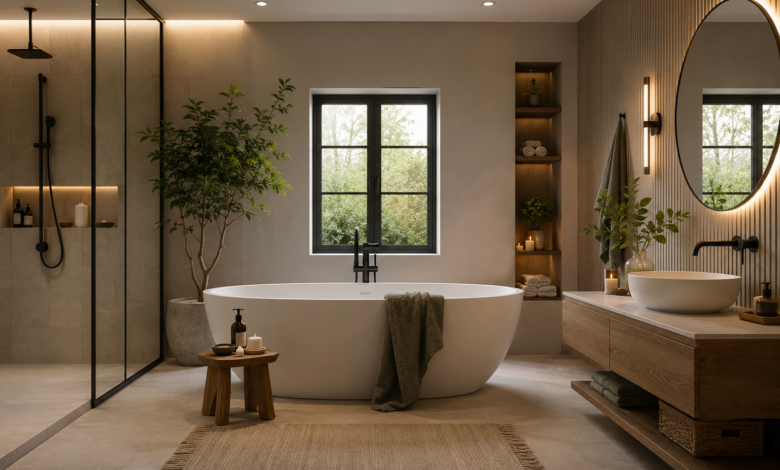
Freestanding bathtubs have become increasingly popular because of their ability to make a strong visual statement. Unlike built-in models, they are not enclosed by surrounding walls or cabinetry, which gives them a sense of openness and allows their shape to become a central part of the room’s design.
This makes them particularly effective in larger bathrooms where there is enough space to appreciate their form.
A freestanding tub can work beautifully in a traditional interior, especially when paired with classic fittings and natural materials. At the same time, modern versions with clean lines and minimalist shapes can complement contemporary spaces.
However, the visual appeal of a freestanding tub should not overshadow practical considerations. Plumbing requirements, floor strength, access for installation, and the amount of space around the tub all need to be considered before making a decision.
When these details are planned properly, a freestanding design can become one of the most memorable features in the entire home.
Built-In Designs Can Make Better Use of Smaller Spaces
Not every bathroom has room for a large freestanding tub. In smaller properties, a built-in design may offer a more practical solution.
Because the tub sits within a designated enclosure, the surrounding space can often be used more efficiently. The area around the bath can also provide opportunities for storage, shelving, or a shower installation, which can be particularly useful in compact bathrooms.
Built-in tubs can also offer a clean and cohesive appearance. The surrounding materials can be matched to the walls or floor, creating a unified look that makes the room feel more organised.
For homeowners who want to maximise functionality without sacrificing style, this can be an excellent option.
Material Matters More Than You Might Think
The material of a bathtub affects more than its appearance. It can influence weight, durability, maintenance, heat retention, and installation requirements.
Different materials offer different advantages, so it is worth researching the options before making a decision.
Some homeowners prefer lightweight materials that are easier to install, while others are attracted to heavier options that offer a more substantial appearance. The finish also matters because some surfaces are more resistant to scratches, stains, or everyday wear than others.
This is particularly important in family bathrooms, where the tub may be used frequently and needs to withstand years of regular activity.
A high-quality bathtub should therefore be viewed as a long-term investment rather than a temporary design feature.
Don’t Ignore Comfort
A bathtub can look stunning in a showroom and still be uncomfortable to use.
This is one reason it is worth thinking about the actual bathing experience before making a purchase. Consider the depth of the tub, the angle of the backrest, the width of the interior, and whether the shape provides enough space to sit comfortably.
If possible, physically experiencing a similar model before purchasing can be helpful. While measurements and photographs provide useful information, comfort is ultimately a personal experience.
The ideal bathtub should feel inviting rather than simply looking impressive.
After all, if the purpose of installing one is to create a more relaxing bathroom, comfort should be high on the list of priorities.
Consider the Style of the Rest of Your Home
A bathroom doesn’t have to match every other room exactly, but it should feel connected to the overall character of the property.
A traditional home with period features may suit a classic bathtub with elegant fittings, while a modern apartment might benefit from a simpler design with clean lines.
That doesn’t mean homeowners should feel restricted by the age or style of their property. Contrasting design choices can be extremely effective when handled thoughtfully.
A contemporary bathtub can create an interesting focal point in an older home, while a traditional-inspired design can add warmth to a modern space.
The key is balance.
Choose one or two strong design features and allow the rest of the room to support them rather than competing for attention.
Create a Bathroom That Feels Like a Retreat
One of the biggest changes in bathroom design has been the growing focus on creating a spa-like atmosphere at home.
This doesn’t necessarily require an enormous budget. Small details can have a significant impact on how the space feels.
Warm lighting, natural materials, comfortable towels, greenery, and carefully selected accessories can all contribute to a more relaxing environment. Even the colour palette can influence the atmosphere, with neutral shades often creating a sense of calm.
The bathtub itself can become the centre of this experience.
Instead of treating it as another functional fixture, homeowners can design the surrounding space to encourage relaxation. A nearby shelf for books or candles, soft lighting, and easy access to towels can make the experience feel more considered.
The goal is to create a bathroom that encourages you to stay for a while rather than rushing through your routine.
Remember That Maintenance Is Part of the Decision
A bathroom renovation is a long-term commitment, so maintenance should be considered before purchasing any major fixture.
Different bathtub materials and finishes may require different cleaning products and care routines. Understanding these requirements in advance can help prevent accidental damage and ensure the tub continues to look its best.
It is also worth considering how easy the surrounding area will be to clean. A beautiful design that creates difficult-to-reach spaces may become frustrating over time.
The best bathroom designs balance aesthetics with practicality, ensuring that the space remains enjoyable long after the renovation has been completed.
Don’t Let Trends Make the Decision for You
Bathroom trends can provide excellent inspiration, but they should not be the only factor influencing your choices.
Styles change quickly, while a good bathtub can remain in place for many years. Choosing something solely because it is currently fashionable may leave you dissatisfied when trends move on.
Instead, look for designs that combine timeless appeal with features that suit your lifestyle.
You can always introduce current trends through accessories, paint colours, towels, lighting, or smaller decorative details. These elements are much easier and less expensive to update than a major bathroom fixture.
A well-chosen bathtub should still feel right several years from now.
The Right Choice Can Transform the Whole Room
A bathtub may occupy only part of a bathroom, but it can influence the design of the entire space.
It can determine the room’s focal point, affect how furniture and fixtures are positioned, and establish the overall atmosphere. A carefully chosen tub can make a bathroom feel luxurious, welcoming, traditional, contemporary, or completely unique.
This is why choosing one should be approached as part of the wider design process rather than as an isolated purchase.
Think about the room as a whole. Consider how the bathtub will work with the flooring, walls, lighting, storage, and fittings. When every element supports the others, the final result will feel much more cohesive.
Final Thoughts
Choosing the right bathtub is ultimately about finding the balance between style, comfort, practicality, and long-term value. The perfect design isn’t necessarily the largest or most expensive option available; it is the one that fits naturally into your home and supports the way you actually live.
For some homeowners, that may mean choosing a compact built-in model that maximises every inch of space. For others, a freestanding tub may be the ideal centrepiece for a larger bathroom designed around relaxation.
Whatever the choice, taking time to consider the room’s dimensions, your household’s needs, the material, maintenance requirements, and overall design can make the renovation process considerably easier.
A well-designed bathroom should do more than look good in photographs. It should feel comfortable when you use it on an ordinary weekday morning and equally inviting when you want to escape from a long day.
When the right bathtub is combined with thoughtful lighting, practical storage, and a style that feels genuinely personal, the bathroom can become one of the most enjoyable spaces in the home—not simply a room for daily routines, but a private retreat designed around comfort and everyday living.