Planning Inspectorate: The Ultimate Guide to Understanding Its Role and Impact in England
How the Planning Inspectorate Shapes Development, Infrastructure, and Local Communities

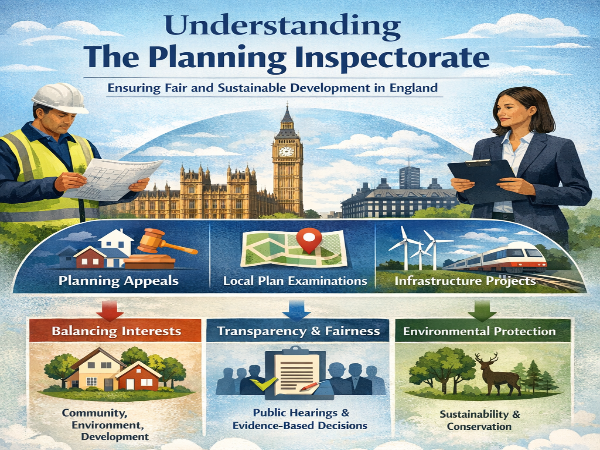
The Planning Inspectorate is the independent authority in England responsible for managing planning appeals, examining local plans, and assessing applications for nationally significant infrastructure projects. Acting as an impartial decision-maker, it ensures that all planning decisions are fair, transparent, and based on evidence, national policy, and legal standards. By balancing the interests of applicants, local authorities, communities, and the government, the Planning Inspectorate plays a vital role in shaping sustainable development, delivering housing, protecting the environment, and supporting major infrastructure projects across the country.
Introduction: Understanding the Planning Inspectorate
The Planning Inspectorate is a cornerstone of England’s planning system. It operates as an executive agency, functioning independently to ensure that development decisions are impartial and based on established policies and evidence. Its work directly influences how land is used, how communities grow, and how infrastructure projects are delivered. By examining local plans, handling appeals, and reviewing major infrastructure applications, the Planning Inspectorate maintains a balance between development needs, environmental protections, and community interests.
The importance of the Planning Inspectorate cannot be overstated, as its decisions impact the future of cities, towns, and rural areas across England. From approving housing developments to overseeing major infrastructure projects, the Planning Inspectorate ensures that growth is managed responsibly and fairly.
What is the Planning Inspectorate?
The Planning Inspectorate is an independent government body tasked with the role of ensuring fairness and transparency in the planning system. It is responsible for:
Managing planning appeals when applicants disagree with local authority decisions.
Examining Local Plans to ensure they comply with national planning policies and legal standards.
Assessing applications for nationally significant infrastructure projects (NSIPs), such as roads, railways, energy projects, and large-scale developments.
Handling specialist casework, including public rights of way, enforcement notices, and tree protection issues.
The Planning Inspectorate operates with impartiality, ensuring that decisions are evidence-based and fair to all parties involved. Its authority and expertise make it a key player in shaping sustainable development in England.
The Core Functions of the Planning Inspectorate
Managing Planning Appeals
Planning appeals are at the heart of the Planning Inspectorate’s work. When a local authority refuses planning permission or imposes conditions that an applicant disagrees with, the applicant can appeal. These appeals are handled impartially by the Inspectorate, which evaluates evidence, planning policies, and legal requirements before reaching a decision.
Planning appeals can involve various cases:
Refusal of planning permission: When a proposed development is rejected by a local authority.
Enforcement notices: Addressing unauthorized developments or breaches of planning regulations.
Listed building consents: Ensuring historic buildings are preserved while allowing suitable development.
Tree preservation and high hedges cases: Protecting the environment and community interests.
Appeals can be resolved through written representations, hearings, or inquiries, depending on the complexity of the case. This structured approach ensures transparency and fairness in the decision-making process.
Examining Local Plans
Local Plans are the blueprint for development in any area. They set out policies for housing, commercial development, infrastructure, environmental protection, and community services. The Planning Inspectorate examines these plans to ensure they:
Comply with national planning policy.
Are legally sound.
Deliver sustainable growth and community benefits.
Protect the environment and natural resources.
By reviewing Local Plans, the Planning Inspectorate ensures that communities have a clear and well-regulated framework for development, preventing haphazard growth and conflicts between developers and local residents.
Assessing Nationally Significant Infrastructure Projects
The Planning Inspectorate is also responsible for assessing nationally significant infrastructure projects (NSIPs). These are large-scale developments with far-reaching economic, social, and environmental impacts, such as:
Highways and rail networks.
Energy projects, including wind farms, solar farms, and power stations.
Large housing or commercial developments.
Major water and flood defense infrastructure.
For NSIPs, the Planning Inspectorate examines proposals thoroughly, considering technical reports, environmental impacts, public feedback, and government policies. Recommendations are then made to the relevant Secretary of State, who makes the final decision on whether a project should proceed.
Specialist Casework
Beyond appeals, Local Plans, and NSIPs, the Planning Inspectorate handles specialized planning cases, including:
Public rights of way: Determining whether footpaths, bridleways, or other public pathways are maintained, altered, or removed.
Tree and hedgerow disputes: Ensuring protected trees and hedgerows are preserved according to regulations.
Common land and village greens: Maintaining community access while balancing development needs.
This specialist work demonstrates the Inspectorate’s comprehensive role in managing land and resources responsibly.
How the Planning Inspectorate Operates
The Planning Inspectorate operates under strict principles of impartiality, transparency, and evidence-based decision-making. Inspectors are independent and are appointed to evaluate cases fairly, without bias toward applicants, local authorities, or community groups.
Key elements of its operation include:
Evidence review: Inspectors examine planning applications, reports, technical studies, and public submissions.
Public involvement: Community members and stakeholders are encouraged to participate in hearings or inquiries, ensuring local voices are considered.
Structured decision-making: Complex cases may involve written representations, hearings, or inquiries to ensure thorough evaluation.
Compliance with law and policy: All decisions are guided by national planning policies, legal frameworks, and sustainability objectives.
By maintaining these standards, the Planning Inspectorate ensures confidence in the planning system and fairness for all parties.
The Role of the Planning Inspectorate in Housing Delivery
One of the most critical functions of the Planning Inspectorate is supporting housing delivery. With housing shortages being a major concern across England, the Inspectorate ensures that planning decisions facilitate the construction of homes while respecting community needs and environmental protections.
Through appeals and Local Plan examinations, the Planning Inspectorate:
Promotes sustainable development to meet housing targets.
Ensures that planning permissions are granted when proposals comply with policies.
Balances the needs of developers, communities, and local authorities.
By acting as an impartial arbiter, the Planning Inspectorate plays a pivotal role in addressing housing challenges in England.
The Planning Inspectorate and Environmental Protection
Environmental protection is a core consideration in all planning decisions. The Planning Inspectorate ensures that:
Green spaces, protected habitats, and biodiversity are preserved.
Environmental assessments are conducted for large infrastructure projects.
Developments comply with sustainability and climate change mitigation policies.
By integrating environmental concerns into decision-making, the Planning Inspectorate helps create balanced growth that benefits both communities and the natural environment.
Transparency and Accountability in Planning Decisions
The Planning Inspectorate’s work is guided by transparency and accountability. Decisions are publicly documented, and reasons for approvals or refusals are clearly stated. This approach ensures:
Public confidence in planning decisions.
Predictability for developers and communities.
Legal compliance and reduced risk of disputes.
Transparency is also reinforced through public consultations, hearings, and inquiries, where stakeholders can voice concerns and provide evidence.
Challenges and Criticisms
While the agency plays a vital role, it faces challenges:
High workload: Increasing numbers of appeals and major infrastructure applications put pressure on resources.
Complexity of cases: Nationally significant infrastructure projects and legal disputes require expert assessment and long decision-making times.
Balancing competing interests: Conflicts between development needs, environmental protections, and community interests can be difficult to resolve.
Despite these challenges, the authority remains an essential component of England’s planning framework.
Conclusion: Why the Authority Matters
The body is indispensable in ensuring fair, transparent, and evidence-based planning in England. From managing appeals to examining Local Plans and assessing major infrastructure projects, it shapes the way communities grow, infrastructure is developed, and environmental standards are maintained. By acting as an impartial arbiter, the agency protects community interests, promotes sustainable development, and supports national housing and infrastructure goals.
In an era of rapid development and environmental concern, the authority ensures that planning decisions are not only lawful but also balanced, sustainable, and forward-looking. Its work affects millions of people across England, making it a vital institution for the country’s future.