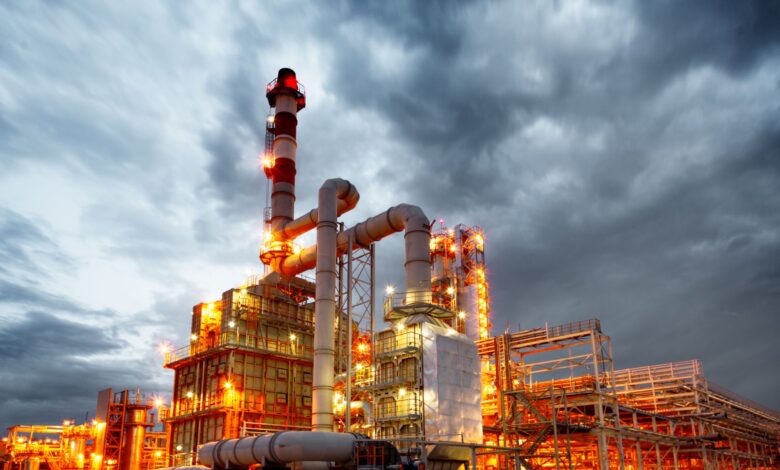
Oil, gas, and petrochemical facilities are among the most demanding environments to secure. They are critical infrastructure, they contain hazardous materials, they span large areas, and they represent enormous value. A security lapse at such a facility can have consequences that extend far beyond the site itself, affecting safety, the environment, and even the wider economy. Securing these facilities requires specialized knowledge, careful planning, and personnel trained for the unique demands of the energy sector.
Why Energy Facilities Are Different
The energy sector carries risks that ordinary sites do not. Facilities handle flammable and hazardous materials where a security incident can quickly become a safety catastrophe. They are strategically important, which can make them targets. They cover vast areas with long perimeters that are difficult to secure completely. And they operate continuously, meaning security must be maintained without interruption at every hour. These characteristics combine to make energy facility security a specialized discipline that demands more than standard guarding practices and personnel who understand the stakes involved.
Perimeter Security at Scale
Protecting the perimeter of a large energy facility is a major undertaking. These sites often have extensive boundaries that must be monitored to prevent unauthorized access. Effective perimeter security combines physical barriers, surveillance technology, and guards who patrol and monitor the boundary. The scale involved means that no single measure is sufficient on its own. Layered perimeter protection, where barriers, cameras, and patrols reinforce each other, is essential to keeping a facility of this size genuinely secure against intrusion across its full boundary.
Access Control and Accountability
Controlling access to an energy facility is critical given the hazards and value involved. Every person and vehicle entering must be verified, and clear records of movement maintained. Guards manage entry points rigorously, ensuring that only authorized, properly credentialed individuals gain access. Working with the Qimah team gives energy facilities access to personnel trained to enforce strict access protocols with the discipline these sites require. In an environment where an unauthorized person could create serious safety and security risks, rigorous access control is one of the most important defenses a facility has.
Integrating Safety and Security
In the energy sector, safety and security are deeply connected. Guards at these facilities must understand that their role touches on safety as well as security, following strict site protocols and recognizing that a security lapse can have safety consequences. This integration requires personnel who are properly briefed on the specific hazards and procedures of the facility they protect. A guard who understands the environment acts appropriately within it, while one who treats it like any ordinary site can inadvertently create risk. Training for the specific setting is therefore essential.
Coordinating With Facility Operations
Security at an energy facility cannot operate in isolation. It must coordinate closely with facility operations, safety teams, and management, working within established procedures and communicating effectively across the site. This coordination ensures that security supports the facility’s overall functioning rather than working against it. A security team that integrates smoothly with operations becomes part of the facility’s safe, efficient running, while one that operates separately creates friction. The best providers understand this and prepare their personnel to work as part of the wider facility environment.
Reliable Regional Coverage
Energy facilities benefit from providers with a strong regional presence and the capacity to deliver consistent, specialized coverage. Qimah in Jeddah and across the wider region offers facilities dependable staffing and support suited to the demands of the sector. Reliability is paramount here, since these facilities require uninterrupted, specialized security, and a provider with genuine regional depth is far better placed to meet those demands consistently over the long term.
The Role of Technology
Given their scale and complexity, energy facilities rely heavily on technology to support their security personnel. Surveillance systems monitor long perimeters and remote areas that guards cannot watch continuously, access control systems manage entry with precision, and detection systems provide early warning of intrusion or other problems. Yet technology alone is not enough. These systems are most effective when trained guards interpret and act on what they reveal, turning alerts and footage into a real response. The combination of advanced technology and skilled personnel gives a large facility the coverage and responsiveness its scale demands. Providers who understand how to integrate the two, rather than relying on either in isolation, deliver the layered, resilient security that critical energy infrastructure requires, ensuring that observation is always backed by the capacity to act.
Conclusion
Securing oil, gas, and petrochemical facilities is a specialized challenge that demands more than standard guarding. The combination of hazardous materials, strategic importance, large perimeters, and continuous operation calls for layered perimeter protection, rigorous access control, integration of safety and security, and close coordination with facility operations. Facilities that invest in properly trained, specialized security protect not only their own assets but the safety and interests that extend well beyond their boundaries. In the energy sector, security of this quality is not optional. It is fundamental to responsible operation.