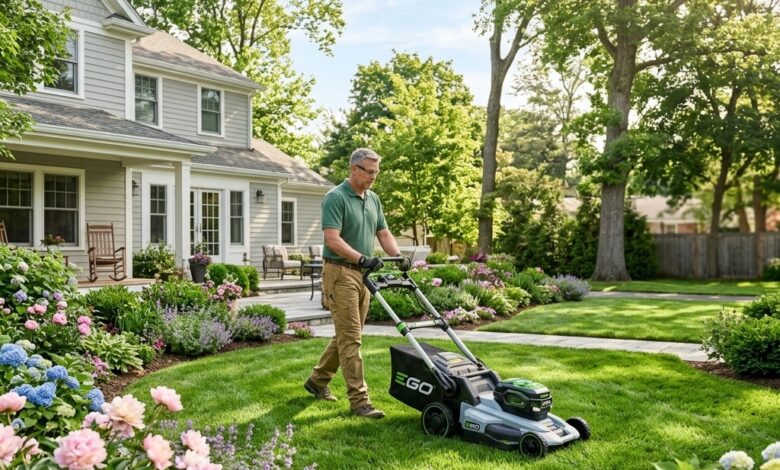
Most lawns look better than they actually are. A thick, green yard might seem like a sign of a job well done—but if it came at the cost of chemical runoff, overwatered soil, and disrupted local ecosystems, the picture isn’t quite so pretty. The good news? Achieving a beautiful lawn and protecting the environment aren’t mutually exclusive. With the right approach, your outdoor space can thrive without leaving a trail of environmental damage behind it.
At Weed Pro Lawn Care, environmentally responsible lawn care is built into every service we provide. This isn’t just a trend we’re following—it’s a standard we’ve set for ourselves and our clients.
What Makes Lawn Care “Environmentally Responsible,” Exactly?
The term gets used a lot, but what does it actually mean in practice?
Environmentally responsible lawn care means making decisions—about products, timing, techniques, and frequency—that minimize harm to the surrounding ecosystem. That includes the soil beneath your feet, the water table below it, and the wildlife living alongside your property. It’s the difference between treating symptoms and addressing root causes.
For example, many conventional lawn services rely heavily on synthetic fertilizers that deliver a quick green-up but leach nitrogen into nearby waterways. Environmentally responsible alternatives use slow-release, organic-based formulas that feed the soil steadily without the runoff risk.
How Weed Pro Approaches Eco-Friendly Lawn Services
Weed Pro Lawn Care integrates environmentally conscious methods at every stage of the lawn care process. Here’s what that looks like on the ground:
Targeted Weed Control, Not Blanket Spraying
Blanket herbicide applications are fast and easy, but they’re rarely precise. Weed Pro uses targeted treatments that address specific problem areas rather than saturating entire lawns with chemicals. This approach reduces the total volume of herbicide used per property while still delivering clean, weed-free results.
Soil Health as a Foundation
A lawn that’s built on healthy soil needs far less intervention over time. Weed Pro’s services include soil testing and aeration to understand what each lawn actually needs—rather than applying a generic treatment plan. Healthy soil retains moisture more efficiently, supports stronger root systems, and naturally resists weed pressure.
Smart Fertilization Practices
Fertilizing at the wrong time, or with the wrong product, does more harm than good. Overloading a lawn with nitrogen ahead of a rainstorm, for instance, sends nutrients straight into storm drains. Weed Pro schedules fertilization around weather patterns and uses products formulated to stay where they’re applied.
Water-Conscious Treatments
Water usage is one of the most overlooked dimensions of lawn care’s environmental impact. Weed Pro’s service recommendations factor in local watering guidelines and seasonal conditions, helping clients avoid overwatering—one of the leading causes of lawn disease and wasted resources.
Why This Approach Produces Better Lawns
There’s a common misconception that eco-friendly lawn care means accepting a slightly lesser result. That’s simply not true—and the science backs it up.
Lawns maintained with organic-based inputs and soil-first strategies tend to develop deeper root systems, which means better drought resistance and less dependence on supplemental watering. They also experience fewer pest and disease outbreaks over time, because a healthy soil ecosystem supports natural biological defenses.
Clients who switch to environmentally responsible lawn care often notice that after an initial adjustment period, their lawns require fewer interventions, not more. The lawn becomes more self-sustaining—and more resilient through seasonal changes.
The Bigger Picture: Why It Matters for Your Community
Lawns don’t exist in isolation. What happens on your property affects the neighborhood around it—the local watershed, pollinator populations, and even air quality. Grass clippings left to decompose naturally, for instance, return nitrogen to the soil and reduce the need for additional fertilizer. Native plantings along borders support bee and butterfly populations that are essential to local food systems.
Weed Pro Lawn Care sees each property as part of a larger environmental context. That perspective shapes every recommendation we make.
What Weed Pro Clients Can Expect
If you’re considering switching to a lawn care provider that takes environmental responsibility seriously, here’s a straightforward picture of the Weed Pro experience:
- An initial assessment of your lawn’s current condition, including soil composition and existing weed or pest pressure
- A customized service plan based on your lawn’s specific needs—not a one-size-fits-all package
- Regular communication about what’s being applied, when, and why
- Transparent product information, including details on any treatments used and their environmental profiles
- Seasonal adjustments that align your lawn care schedule with local climate conditions
The Standard Your Lawn Deserves
Environmentally Responsible Lawn Care chosen with intention—rooted in soil science, guided by ecological awareness, and delivered by a team that treats your property as part of a broader living system—is what separates a lawn that merely looks good from one that genuinely is. Weed Pro Lawn Care brings that standard to every property we service, combining proven horticultural practices with a commitment to doing right by the environment.
A beautiful lawn shouldn’t come with hidden costs—not to your local waterways, not to the wildlife in your neighborhood, and not to the long-term health of your soil. When you choose Weed Pro, you’re not just investing in curb appeal. You’re choosing a service that takes the full picture seriously.
Ready to experience lawn care that works with nature, not against it? Contact Weed Pro Lawn Care to schedule your consultation today.