Introduction
Hazard identification and risk assessment are two essential processes that go hand-in-hand. With a thorough hazard identification and risk assessment system, hazards are addressed promptly, the progress of risk assessment operations is tracked and updates are shared in real time.
When combined with an effective emergency action plan, safety management teams collaborate across multiple sites in real time to ensure that employee well-being processes are relevant and effective.
Read on to learn more about how businesses can integrate foolproof systems to safeguard their employees, improve their productivity by preventing hazards and maintain trust among customers and stakeholders.
Hazard Identification and Risk Assessment
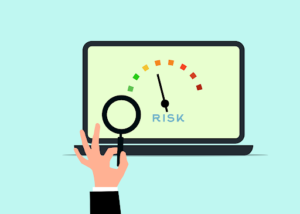
When it comes to maintaining safety at a workplace and preventing accidents or hazards, a comprehensive occupational health and safety management system (OHSMS) at a workplace must include both:
- Hazard Identification
- Risk Assessment
Hazard Identification
Hazard identification is the process of detecting any activity at a workplace that could cause injury, illness or even damage. Hazard Identification serves as the foundation of an effective occupational health and safety management system or OHSMS because risks cannot be controlled as long as hazards are not recognised beforehand.
These workplace hazards may include physical dangers like slippery floors, chemical exposure, biological containment, ergonomic issues from repetitive work and even psychological concerns.
Risk Assessment
Risk Assessment is the process of evaluating identified hazards to determine the level of danger they pose. The aim is to consider the severity of possible harm and the likelihood of the incident repeating itself.
Systematic implementation of effective control measures, reducing accidents and improving the overall workplace safety helps the management make informed decisions and efficiently allocate safety management resources.
Hazard Identification vs Risk Assessment
- Hazard Identification focuses on discovering potential dangers whereas risk assessment evaluates the severity of those risks and the likelihood of the occurrence of accidents.
- Hazard identification is a preventive step that answers what could go wrong whereas risk assessment determines the degree of risk and prioritised preventive actions.
- Hazard identification relies on observation and reporting. However, risk assessment involves analysis and evaluation of a situation.
The two processes must work together to create a safe and well-managed workplace that ensures proper safety is provided to employees.
Who Is Responsible For Conducting Hazard Assessment?
Although it is the legal and ethical responsibility of the employer to ensure a safe working environment, the active participation of employees in maintaining a safe working space is also essential.
Here is how an active workforce with dedicated responsibilities can enable prompt hazard identification and risk assessment also called HIRA:
-
Employers
Maintaining proper safety and security of the workforce is the employer’s duty. Responsibility for conducting risk assessments generally rests with the employer or the individual who has control over the workplace and various operations.
-
Security Supervisors
Managers and security supervisors assess risks within their respective departments. Their duty is to ensure routine compliance and monitor daily operations for potential hazards and to be ready for surprise inspections.
-
Health and Safety Officers
Health and safety officers identify timely hazards and ensure that legal compliance is maintained at all times. They consistently upgrade methods of hazard identification and risk assessment as per local regulations.
-
External Consultants
Organisations sometimes hire external safety consultants and security specialists. For instance, external consultants are highly recommended for new organisations to get their safety management systems independently evaluated.
-
Small Business Owners
When it comes to small businesses, owners carry out the tasks of hazard identification and risk assessment on their own. Since the operations are not at a large scale and the workforce is comparatively smaller in number, staying on top of things is manageable and practical.
-
Trained Workforce
An educated and trained workforce helps an organisation run smoothly. The employees of a company must be trained consistently about safety systems and immediate crisis management so that operational continuity is maintained after a disaster strikes.
Well-defined responsibilities help ensure that there is clarity regarding who is responsible for conducting a hazard assessment so that there is no chaos during crisis and loss of lives and property is minimum.
Conclusion
Integrating the latest and best HSE software is a must for every organisation whether big or small. The purpose is to improve operational efficiency once the disaster is over and maintain optimum operational continuity during a crisis. With a centralised and intelligent platform, processes are streamlined and proactive risk management is done. Therefore, the management gets real-time visibility into safety performance, as incident reporting is simplified and compliance processes are automated.
Frequently Asked Questions
Q.1 What kind of regulations are specified in ISO 9001:2015?
Answer 1: ISO 9001 is a widely recognised standard that specifies regulations for maintaining high-quality management systems and standards in the workplace. The aim is to meet customer expectations, maintain consistent quality of goods and services, improve employee performance and comply with legal standards at all times.
Q.2 What are the benefits of HIRA?
Answer 2: HIRA or Hazard Identification and Risk Assessment is a safety management system. The aim is to ensure complete workforce safety, improve compliance with legal international and domestic standards and timely mitigation of accidents. The latest OHSMS software helps upgrade existing security systems and make them foolproof.
Q.3 What are the 4 steps to execute HIRA?
Answer 3: The 4 main steps to execute HIRA or Hazard Identification and Risk Assessment are timely identification of risks and accidents, proper assessment of any potential damage that can be inflicted, timely implementation of appropriate control measures and real-time documentation and review of HIRA consistently.
Q.4 What does HSSE stand for?
Answer 4: The full form of HSSE is Health, Safety, Security and Environment. This health and safety management system collectively works towards maintaining the emotional and physical well-being of employees, protecting physical assets and maintaining operational continuity of a business. The aim is to minimise the negative impact of accidents or hazards on operations while maintaining the trust of stakeholders.
Q.5 What does ISO 45001 signify?
Answer 5: ISO 45001 is the international standard that specifies requirements for maintaining occupational health and safety management systems in a workplace. The standard includes proper risk management operations and ensures complete compliance with international and national standards to avoid penalties and legal hassles.