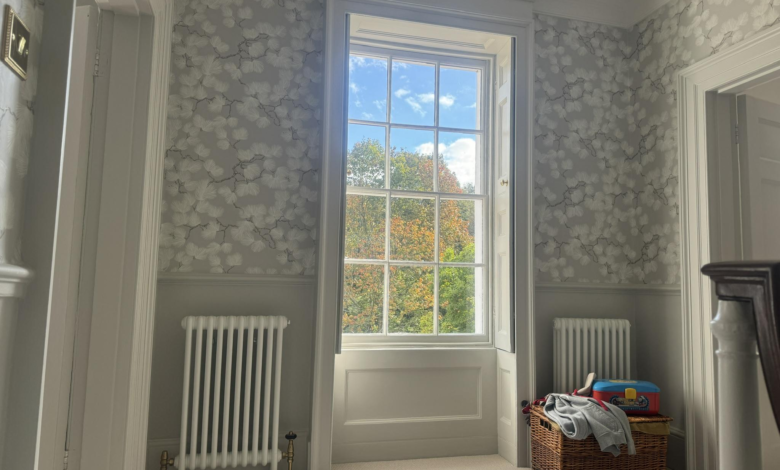
Landlords can winter-proof a buy-to-let property with low-cost measures such as thermal window film, humidity-controlled extraction, draught excluders, pipe insulation, radiator maintenance, and roof and gutter checks. These upgrades can help reduce heat loss, manage condensation and moisture, and prevent avoidable winter damage without major renovations.
Key Takeaways:
- Reduce heat loss:Use suitable thermal window film and draught-proofing to improve comfort around existing glazing and openings
- Control moisture:Use appropriate extraction and ventilation to help manage humidity in kitchens, bathrooms, and other wet areas
- Prevent winter damage:Insulate vulnerable pipework and check roofs, gutters, and drainage before colder weather arrives
- Maintain heating:Check radiators regularly and arrange a professional assessment when persistent heating problems occur
UK landlords face a familiar dilemma every single winter. They want to keep their properties warm and damp-free but fear massive repair bills and tenant complaints. There’s no need to be worried, though!
You do not necessarily need to install costly new double glazing or undertake major renovations. Several relatively simple improvements can help reduce heat loss, manage moisture, and prepare a property for colder weather.
Your tenants are also likely to benefit directly from these improvements. A warmer, drier home can improve everyday comfort while helping landlords address some common winter maintenance concerns.
A brilliant win-win for everyone involved!
The Hidden Cost of Cold Rental Homes
Cold rental properties attract condensation incredibly quickly. When warm air hits cold glass, water droplets form instantly. This moisture rapidly turns into black mould, which results in rather expensive repairs later.
According to a survey, 10% of private rented homes had a problem with damp in 2024. This is the highest rate across all housing sectors. Damp ruins plasterboard, rots wood, and destroys paintwork.
For landlords, the cost of addressing damp and related damage can be considerably higher than dealing with potential causes early.
Rather than waiting for winter problems to appear, focus on the areas most likely to lose heat, develop condensation, or suffer weather-related damage. Anti-condensation film may also be worth considering where condensation on existing glazing is a particular concern.
| 💡Quick Tip: Provide your tenants with a short winter care guide. Explain how opening windows for just ten minutes daily helps. It will reduce indoor damp significantly during the colder months. |
What Are Budget-Friendly Ways to Winter-Proof Your Property?
You can stop heat loss and condensation safely with these incredible, cost-effective upgrades. These are going to protect your buy-to-let investment year after year.
1. Upgrade Existing Windows with Thermal Window Film
Windows are a major magnet for winter moisture. Single-glazed or older windows suffer the absolute most. A suitable thermal window film can help reduce heat transfer through existing glazing, improving comfort without replacing the windows themselves.
This film can provide an additional layer over the existing glass and help reduce heat loss, depending on the product and glazing.
Where condensation is the main concern, an anti-condensation film may be a more suitable option depending on the type of glazing and the manufacturer’s specifications.
Why it can work for landlords:
- Can help improve comfort around existing glazing
- Avoids the disruption of replacing windows
- Can help reduce heat transfer through the glass
- Can be suitable where maintaining the existing glazing is preferable
The right film depends on the glazing, the property’s requirements, and the intended result, so check the manufacturer’s specifications before installation.
| ⚠️Caution: Do not assume every window film is suitable for every type of glass. Check compatibility, installation requirements, and any relevant warranty conditions before applying the film. |
2. Fit Automatic Humidity Extractor Fans
Bathrooms and kitchens always create massive amounts of steam. Relying on tenants to switch on manual fans can be a tad bit risky. You cannot rule out the possibility of them forgetting to turn them off to save electricity.
Install a smart humidity-tracking extractor fan instead. These devices switch on automatically when moisture levels rise and clear the wet air before it settles on walls.
Automatic extraction can be particularly useful in bathrooms, en-suites, kitchens, and utility rooms, provided the system is correctly installed and maintained.
This can help reduce reliance on occupants remembering to operate a manual fan and can help manage moisture in high-humidity areas. It can also provide more consistent ventilation in wet rooms when correctly installed and maintained. With this brilliant upgrade, you’d never have to worry about tenants forgetting the switch!
3. Add Heavy-Duty Draught Excluders
Draughts make a rental property feel instantly freezing. Consider sealing these gaps, as this is a cost-effective and rather fast way to keep the warm air safely trapped inside.
Fit brush seals to all exterior doors and letterboxes. Add simple rubber strips to any rattling window frames. Your tenants will notice the improved warmth immediately.
Common areas to check include:
- External doors
- Letterboxes
- Window frames
- Other obvious gaps around the property’s exterior openings
For windows where condensation is a recurring issue, window film for condensation can be another option to explore alongside draught-proofing.
4. Insulate Exposed External Pipework
Frozen pipes are a landlord’s absolute worst winter nightmare. A burst pipe causes catastrophic water damage instantly. It also leads to incredibly expensive emergency plumbing callouts.
Wrap foam insulation tubes around any exposed pipes. Focus heavily on the loft, the garage, and external walls. All you have to do is cut the foam and slip it on.
Before winter arrives, inspect vulnerable pipework and replace any damaged or missing insulation rather than waiting for freezing temperatures. This is a relatively simple preventative measure that can be completed as part of routine property maintenance.
5. Check and Maintain Your Radiators
Cold spots at the top of radiators can indicate trapped air, which may prevent the radiator from heating evenly. Bleeding a radiator can be a simple maintenance task, but it should not be confused with the property’s separate gas safety requirements.
If a radiator has persistent cold spots or other heating problems, have the issue assessed by an appropriately qualified heating professional.
Checklist to consider:
- ☐Check whether radiators heat evenly
- ☐Look for persistent cold spots
- ☐ Check for visible leaks or corrosion
- ☐ Make sure radiators are not blocked by furniture
- ☐Arrange professional heating maintenance where required
6. Check Roofs, Gutters, and External Drainage
Winter-proofing is not only about keeping heat inside. Preventing rainwater from entering the property is equally important.
Before colder, wetter weather sets in, check for:
- Blocked or overflowing gutters
- Damaged roof tiles
- Loose or damaged flashing
- Blocked downpipes
- Signs of water staining or external damp
- Cracks or gaps that could allow water ingress
Addressing these issues early can help prevent relatively minor maintenance problems from developing into more extensive internal damage.
| A Simple Winter-Ready Checklist for Landlords
Before winter sets in, work through these basic checks:
✅ Check windows: Consider whether existing glazing needs additional thermal protection ✅Control moisture: Make sure extractor fans work correctly, and vents are clear ✅Block draughts: Check external doors, letterboxes, and window frames ✅Protect pipes: Insulate exposed pipework in vulnerable areas ✅Check heating: Make sure radiators heat evenly and address persistent faults ✅Inspect externally: Clear gutters and check roofs and drainage for obvious problems The aim is not to complete a major renovation before winter. Small preventative measures can help improve comfort and reduce the likelihood of avoidable maintenance problems. |
Final Thought
Winter-proofing a buy-to-let property does not always require expensive upgrades. Simple measures such as improving window performance, managing indoor moisture, blocking draughts, and protecting vulnerable pipework can help prepare a property for colder weather.
The key is to look at the property as a whole. Address heat loss, ventilation, heating performance, and external maintenance before winter problems have a chance to become costly repairs.
Preparing Your Property for Winter?
If you are considering window film as part of your winter preparations, check the available options carefully and make sure the film is suitable for your existing glazing. For larger or more complex installations, professional fitting can also be worth considering for a consistent finish.