Terry Waite Biography Hostage Crisis, Humanitarian Work, Age, Family, Net Worth and Life Story
The remarkable journey of a Church envoy turned hostage survivor who transformed suffering into global humanitarian action

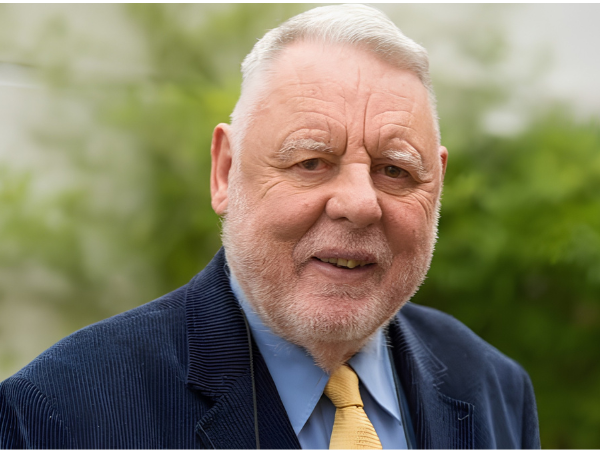
Terry Waite is a British humanitarian, author, and former Church of England envoy best known for being held hostage in Lebanon from 1987 to 1991 while attempting to negotiate the release of Western captives. His nearly five-year captivity made him one of the longest-held British hostages. After his release, he dedicated his life to humanitarian causes, writing, public speaking, and supporting charities focused on human rights, prison reform, and hostage welfare. His story is widely regarded as one of resilience, faith, and forgiveness.
Table of Contents
ToggleIntroduction to Terry Waite Life and Legacy
Terry Waite is widely recognized as one of the most respected humanitarian figures from the United Kingdom. His life combines deep religious commitment, international humanitarian service, and a profound personal experience of suffering during his years in captivity in Lebanon. Before becoming globally known for his ordeal, he worked closely with the Anglican Church in various advisory and educational roles, contributing to church development programs in the United Kingdom and Africa. His transformation after captivity turned him into a global voice for compassion, reconciliation, and justice.
Early Life and Religious Background
Terry Waite was born on 31 May 1939 in Bollington, Cheshire, England. From an early age, he showed strong religious interest and a deep sense of social responsibility. His Christian faith played a central role in shaping his worldview and future career path. He later became involved with the Church Army, a social welfare organization associated with the Anglican Church. This early experience introduced him to community service, education work, and international mission activities.
His dedication to Christian service led him into educational and advisory roles within the Church of England. In 1963, he became Education Advisor to the Bishop of Bristol, where he worked on training programs and religious education development. This position marked the beginning of his long association with leadership development within the church.
Work in Africa and Church Development
A significant phase of his early career involved international work in Africa. He traveled to Uganda, where he served as Provincial Training Advisor to Archbishop Erica Sabiti, the first African Anglican Archbishop of Uganda, Rwanda, and Burundi. In this role, he supported leadership training, clergy education, and church organizational development during a time of major transition in African Anglican communities.
This experience broadened his understanding of global humanitarian challenges and strengthened his ability to work in complex political and cultural environments. It also prepared him for later diplomatic and negotiation roles in conflict zones.
Humanitarian Negotiation Work
During the 1980s, Terry Waite worked as a special envoy for the Archbishop of Canterbury. His mission was to negotiate the release of Western hostages held in the Middle East, particularly in Lebanon, where civil war had created dangerous instability.
He successfully contributed to several negotiations before embarking on his final mission in 1987, which aimed to secure the release of kidnapped Western citizens. However, during this mission, he himself was abducted, marking the beginning of one of the most well-known hostage cases in modern British history.
Hostage in Lebanon and Years of Captivity
In January 1987, Waite was kidnapped in Beirut while attempting to negotiate hostage releases. He was held in captivity for nearly five years, much of it in solitary confinement. His imprisonment was marked by isolation, limited communication, and harsh physical and psychological conditions.
Despite the extreme circumstances, he later described his survival as being supported by faith, mental discipline, and resilience. During his captivity, he endured long periods without human contact and uncertain conditions regarding his future.
His release came in November 1991, after prolonged diplomatic efforts. His return to the United Kingdom was widely covered by international media and marked the end of one of the most high-profile hostage cases of the decade.
Life After Release and Humanitarian Mission
After his release, Terry Waite chose not to withdraw from public life. Instead, he became an active humanitarian campaigner, focusing on issues such as prisoner rights, reconciliation, and support for families of hostages.
He authored several books, including his well-known memoir “Taken on Trust,” which detailed his experiences in captivity and his reflections on faith, suffering, and forgiveness. His writing brought global attention to the psychological impact of long-term imprisonment.
He also became involved in numerous charitable organizations, supporting homelessness initiatives, prison reform projects, and international humanitarian programs. His work emphasized dignity, recovery, and reintegration for people affected by conflict and imprisonment.
Terry Waite Age
As of 2026, Terry Waite is 87 years old. Despite his age, he continues to be active in public speaking, writing, and humanitarian advocacy. His long life has spanned decades of service in religious, diplomatic, and humanitarian fields, making him one of the most enduring figures in modern British humanitarian history.
Terry Waite Family
Terry Waite has maintained a relatively private family life compared to his public humanitarian career. He is known to be a family-oriented individual with strong personal ties. He has children and has often spoken about the importance of family support during and after his captivity. His family played a significant emotional role during his years in imprisonment and in his recovery after release. While he does not frequently publicize personal details, his writings suggest that family relationships were central to his emotional resilience.
Terry Waite Net Worth
Terry Waite’s net worth is not publicly documented in official financial records, and he is not known for commercial wealth accumulation. Unlike celebrities or business figures, his career has been primarily focused on humanitarian service, church work, and writing. His income has largely come from book royalties, speaking engagements, and advisory roles. Estimates vary widely in unofficial sources, but he is generally considered to have a modest financial profile consistent with public service and charitable work rather than commercial enterprise.
Terry Waite Wikipedia Overview
According to general biographical references commonly summarized in encyclopedia-style sources, Terry Waite is best known for his role as a Church of England envoy and his captivity in Lebanon from 1987 to 1991. His biography highlights three main phases of life: early church service and international work, hostage negotiation and captivity, and post-release humanitarian advocacy.
His Wikipedia-style profile typically emphasizes his religious background, negotiation missions, imprisonment conditions, and later contributions to humanitarian causes. He is also recognized for his writings and public speaking engagements focused on forgiveness, resilience, and human rights.
Legacy and Global Impact
The legacy of Terry Waite lies in his transformation from negotiator to hostage survivor and then to humanitarian leader. His story is often cited in discussions about resilience under extreme conditions and the psychological strength required to survive long-term isolation.
He is also remembered for his message of forgiveness and reconciliation, which he has consistently promoted despite his traumatic experience. His contributions to humanitarian organizations and prison reform initiatives have influenced policies and awareness regarding hostage welfare and post-trauma recovery.
Conclusion
Terry Waite remains an important figure in modern humanitarian history. His life story combines faith, suffering, endurance, and service to others. From his early church work to his years in captivity and his later humanitarian mission, he represents resilience and commitment to human dignity. His age, family background, financial profile, and public legacy all reflect a life dedicated not to personal gain but to global humanitarian impact.