Buying or leasing a commercial property is more than a financial transaction—it’s a long-term investment that directly affects business operations. While the appearance of a building may create a positive first impression, hidden defects can lead to expensive repairs, unexpected downtime, and safety concerns if they go unnoticed.
A professional commercial inspection helps identify existing issues before they become major financial liabilities. Whether you’re purchasing an office building, retail store, warehouse, or mixed-use property, understanding the building’s condition allows you to make informed decisions and better protect your investment.
The Importance of Commercial Inspections
Commercial buildings experience years of daily use, making regular evaluations essential before any purchase or lease agreement.
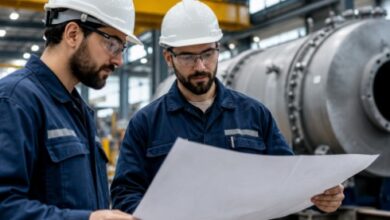
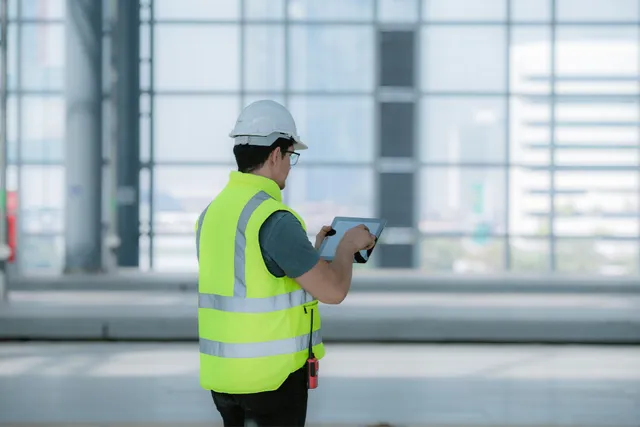
A professional commercial property inspection provides valuable information about the building’s condition and helps buyers identify hidden defects that may require immediate attention or future repairs.
Key advantages include:
- Reducing financial risk
- Improving negotiation opportunities
- Identifying safety concerns
- Planning future maintenance
- Protecting long-term property value
- Supporting informed investment decisions
Building Systems That Require Evaluation
Commercial inspections cover every major system that contributes to a building’s functionality and safety.
Structural Components
Inspectors evaluate:
- Foundation movement
- Exterior walls
- Support columns
- Floor systems
- Roof framing
- Signs of settlement
Early detection of structural issues helps prevent larger and more expensive repairs.
Roofing System
A damaged commercial roof can allow water to enter the building and affect daily operations.
Inspectors examine:
- Roofing materials
- Flashing
- Drainage systems
- Roof penetrations
- Standing water
- Visible deterioration
Routine roof maintenance often extends the lifespan of commercial roofing systems.
Plumbing Inspection
Commercial plumbing systems must support greater daily usage than residential properties.
Inspectors check:
- Water supply lines
- Drainage systems
- Restroom fixtures
- Water heaters
- Visible leaks
- Pipe condition
Even minor plumbing leaks can lead to moisture damage and expensive interior repairs.
Electrical Inspection
Electrical reliability is critical for nearly every business.
The inspection typically includes:
- Main electrical panels
- Circuit breakers
- Wiring
- Emergency lighting
- Grounding
- Electrical safety concerns
Older commercial buildings frequently require upgrades to support modern equipment.
HVAC System
Heating and cooling systems significantly affect operating costs.
Inspectors evaluate:
- Air conditioning units
- Furnaces
- Ventilation
- Airflow
- Thermostats
- Maintenance condition
Efficient HVAC equipment improves employee comfort while lowering utility expenses.
Common Problems Found During Commercial Inspections
Many commercial buildings contain maintenance issues that develop gradually over time.
Frequently identified concerns include:
- Roof leaks
- Foundation cracks
- Water intrusion
- Moisture damage
- Aging HVAC systems
- Electrical deficiencies
- Plumbing leaks
- Poor drainage
- Cracked masonry
- Deferred maintenance
Discovering these issues before completing the purchase allows buyers to negotiate repairs or adjust their investment budget accordingly.
Businesses purchasing mixed-use properties or smaller investment buildings often rely on experienced home inspection Chicago professionals who understand local construction methods, seasonal weather conditions, and common building maintenance challenges throughout the region.
How Inspection Reports Benefit Investors
After completing the inspection, buyers receive a comprehensive report describing the building’s visible condition.
A professional inspection report generally includes:
- Detailed observations
- High-quality photographs
- Safety concerns
- Maintenance recommendations
- Suggested specialist evaluations
Rather than focusing only on current defects, investors can use the report to prioritize repairs and estimate future maintenance expenses.
The report also serves as valuable documentation for budgeting and long-term property management.
Preventive Maintenance After Purchase
Owning commercial real estate requires ongoing maintenance to preserve building performance and reduce unexpected repair costs.
A preventive maintenance plan should include:
- Scheduled roof inspections
- HVAC servicing
- Annual plumbing evaluations
- Electrical safety inspections
- Exterior building maintenance
- Drainage inspections
- Foundation monitoring
Keeping maintenance records helps owners track repairs while improving the property’s resale value in the future.
Conclusion
Commercial property inspections are an essential part of responsible real estate investing. They provide valuable insight into a building’s structural condition, mechanical systems, and maintenance needs before significant financial commitments are made. By identifying issues early, buyers can negotiate confidently, reduce future repair costs, and develop an effective maintenance strategy. Investing in a professional inspection today helps protect your business, preserve property value, and support smarter long-term investment decisions.