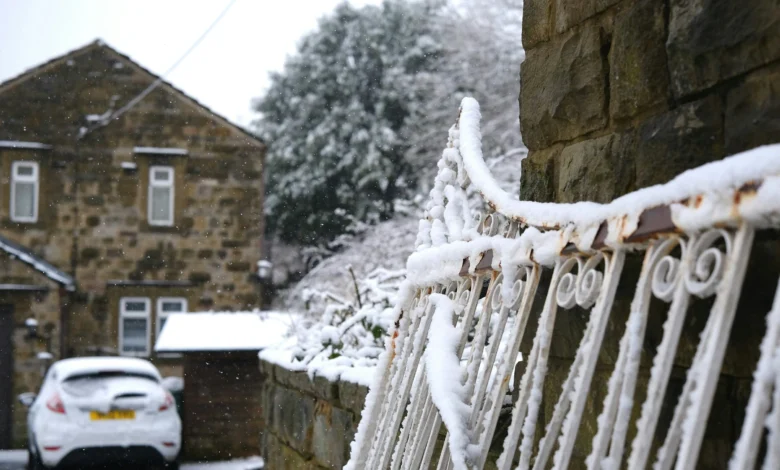
Winter can be one of the most challenging seasons for landlords and tenants alike. Falling temperatures, heavy rain, frost, snow and strong winds can all place additional strain on rental properties, increasing the risk of maintenance issues and costly repairs. From frozen pipes to damp and heating failures, winter-related problems can quickly escalate if preventative measures are not taken in advance.
For landlords, preparing a rental property before harsh weather arrives is essential for protecting both the property and the comfort of tenants. A well-maintained home is more likely to remain energy efficient, safe and attractive throughout the colder months, while proactive maintenance can help minimise emergency call-outs and unexpected expenses.
In this guide, we explore practical steps landlords can take to winter-proof their rental properties and reduce seasonal risks.
Service the Boiler and Heating System
A reliable heating system is one of the most important features of any rental property during winter. Boiler breakdowns are particularly common during periods of cold weather, especially when systems have not been properly maintained.
Landlords should arrange an annual boiler service before winter begins to ensure everything is functioning efficiently and safely. This can help identify potential issues early and reduce the likelihood of heating failures during colder months.
Checks should include:
- Boiler performance and pressure
- Radiators heating evenly
- Thermostat functionality
- Pipework condition
- Carbon monoxide safety measures
Tenants should also be reminded to report unusual noises, pressure issues or heating problems promptly before they worsen.
Insulate Pipes to Prevent Freezing
Frozen pipes are one of the most common winter property problems in the UK. When water freezes inside pipes, it expands and can cause pipe bursts, leading to expensive water damage and disruption for tenants.
To reduce the risk:
- Insulate exposed pipes with pipe lagging
- Pay particular attention to lofts, garages and external walls
- Seal draughts around pipe entry points
- Ensure water tanks are properly insulated
Landlords may also wish to provide tenants with guidance on how to prevent pipes freezing during extremely cold temperatures, such as keeping heating on at a low level when away from the property.
Check Roofs and Gutters
Winter weather can place significant pressure on roofs and drainage systems. Blocked gutters, loose tiles and damaged flashing can allow water to enter the property, resulting in leaks, damp and structural issues.
Before winter arrives, landlords should inspect:
- Roof tiles and slates
- Chimney flashing
- Gutters and downpipes
- Fascias and soffits
- Loft spaces for signs of leaks
Clearing leaves and debris from gutters is especially important during autumn, as blockages can cause overflowing water during heavy rainfall.
Addressing minor roof issues early can help prevent larger repair costs later in the season.
Prevent Damp and Condensation
Condensation and damp often become more noticeable during winter due to reduced ventilation and increased indoor heating. Left untreated, damp can damage décor, affect indoor air quality and contribute to mould growth.
Landlords can reduce the risk by:
- Ensuring extractor fans are working properly
- Checking ventilation systems
- Sealing gaps around windows and doors
- Improving insulation where possible
- Repairing leaks promptly
Tenants should also be encouraged to ventilate the property regularly, even during colder weather, particularly in kitchens and bathrooms where moisture levels are higher.
Many landlords work with professional Martin & Co Uckfield or other letting agents in Uckfield to help identify maintenance priorities before winter conditions create more serious property issues.
Inspect Windows and Doors
Poorly sealed windows and doors can lead to draughts, heat loss and increased energy bills for tenants. Improving insulation not only enhances comfort but can also improve the property’s energy efficiency.
Landlords should check for:
- Damaged seals
- Gaps around frames
- Faulty locks or hinges
- Cracked glazing
- Draughts near entrances
Simple measures such as replacing worn seals or adding draught excluders can help retain heat more effectively throughout winter.
Energy-efficient homes are increasingly attractive to tenants, particularly as household energy costs continue to remain an important consideration.
Test Smoke and Carbon Monoxide Alarms
Winter often leads to increased use of boilers, portable heaters and fireplaces, making fire and carbon monoxide safety especially important.
Landlords should ensure all alarms are tested regularly and comply with current legal requirements.
Checks should include:
- Smoke alarm functionality
- Carbon monoxide detector placement
- Battery replacement if required
- Safe operation of fireplaces or wood burners
Tenant safety should always remain a priority, particularly during periods when heating systems are used more heavily.
Prepare Outdoor Areas
External areas can become hazardous during winter due to ice, fallen branches and storm damage. Proper maintenance can help reduce safety risks for tenants and visitors.
Landlords should inspect:
- Pathways and steps
- Outdoor lighting
- Fencing and gates
- Trees and overhanging branches
- Driveways and drainage areas
Keeping outdoor spaces safe and accessible is particularly important during icy or snowy conditions.
In some cases, landlords may choose to provide grit or salt for communal pathways, especially in multi-occupancy properties.
Encourage Good Communication with Tenants
Clear communication can help landlords identify winter-related issues before they become serious problems. Tenants should know how to report emergencies quickly and understand basic preventative measures they can take during cold weather.
Useful guidance for tenants may include:
- How to avoid frozen pipes
- Boiler pressure instructions
- Ventilation advice
- Emergency contact details
- What to do during power cuts or leaks
Providing a winter property checklist or information pack can help tenants feel supported and improve overall property management.
Professional letting agents in Uckfield often assist landlords by coordinating maintenance schedules, handling tenant communication and arranging contractor support during busy winter periods.
Check Property Insulation and Energy Efficiency
Improving insulation can help properties remain warmer, reduce energy consumption and make homes more comfortable for tenants during winter.
Areas landlords may wish to assess include:
- Loft insulation
- Wall insulation
- Double glazing
- Hot water tank insulation
- Floor insulation
Energy efficiency improvements can also contribute to better Energy Performance Certificate (EPC) ratings, which remain an important factor for landlords under evolving rental regulations.
Tenants are increasingly prioritising warm, energy-efficient homes due to rising utility costs, making winter preparation beneficial from both a maintenance and marketing perspective.
Prepare for Emergencies
Despite preventative maintenance, severe winter weather can still lead to unexpected emergencies. Having contingency plans in place can help landlords respond more effectively if issues occur.
Landlords should ensure they have:
- Reliable contractor contacts
- Emergency plumber details
- Boiler repair support
- Insurance documentation readily available
- Clear communication channels with tenants
Quick responses to emergencies can help minimise property damage and maintain positive tenant relationships.
Landlords should also review their insurance policies to ensure appropriate cover is in place for winter-related risks such as storm damage or burst pipes.
Conduct Seasonal Property Inspections
Routine inspections before and during winter can help landlords identify small issues before they become major repairs.
Seasonal inspections may highlight:
- Early signs of damp
- Minor leaks
- Heating inefficiencies
- Ventilation concerns
- Exterior wear and tear
Regular maintenance demonstrates proactive property management and helps ensure rental homes remain safe and comfortable throughout the colder months.
Conclusion
Preparing rental properties for harsh winter weather is an essential part of responsible property management. By taking preventative action early, landlords can reduce the risk of costly repairs, improve tenant comfort and protect the long-term condition of their investment.
From servicing boilers and insulating pipes to checking roofs and improving ventilation, small maintenance tasks can make a significant difference during winter. Strong communication with tenants and regular property inspections can also help identify potential problems before they escalate.
Whether managing a single buy-to-let property or a larger portfolio, proactive winter preparation can help landlords navigate the colder months more confidently while maintaining safe, efficient and well-maintained homes for tenants.