Russell Martin: Career, Age, Family, Net Worth, and Full Biography of the Football Manager
A complete insight into the life, journey, and evolution of Russell Martin in football and beyond

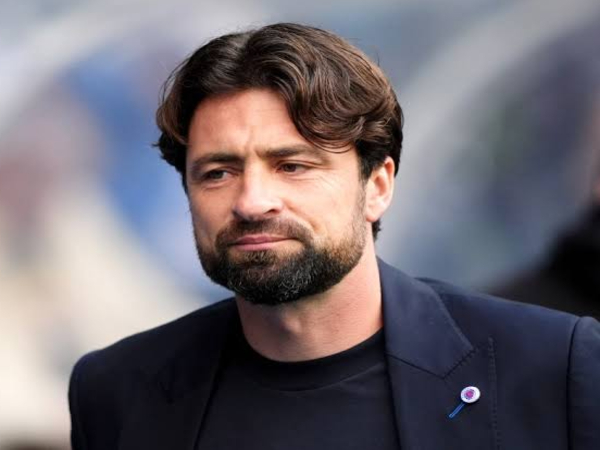
Russell Martin is a former professional footballer and current football manager born in 1986 in England. He is best known for his long playing career as a defender with Norwich City and his later transition into management, where he developed a reputation for a possession-based tactical style of football. After retiring as a player, he managed clubs including Milton Keynes Dons, Swansea City, Southampton, and Rangers. Beyond football, he is also associated with charitable and community work through the Russell Martin Foundation, which focuses on youth development and education through sport. His career reflects leadership, tactical innovation, and a strong commitment to football development at both professional and community levels.
Introduction
Russell Martin is widely recognized in modern football as one of the most tactically distinctive coaches to emerge from the English football system in recent years. Known for his calm leadership, structured playing philosophy, and commitment to possession-based football, Martin’s journey from a dependable defender to a respected manager has drawn attention across English and Scottish football.
His career is defined by transformation—first as a player who built his reputation through consistency and leadership, and later as a manager who implemented a bold tactical identity focused on control, passing structure, and player development. Alongside his football career, he has also contributed to community initiatives through his foundation, reflecting a broader commitment beyond the pitch.
Early Life and Background
Russell Kenneth Alexander Martin was born on 4 January 1986 in Brighton, England. From a young age, he showed strong interest in football and quickly progressed through youth systems. His early development years were shaped by discipline, defensive awareness, and adaptability—qualities that later became central to his playing and coaching identity.
Although born in England, Martin qualified to represent Scotland through family heritage. This dual identity played a role in his international football career later in life.
Playing Career Overview
Russell Martin’s professional playing career began in the lower tiers of English football, where he developed resilience and tactical awareness. Over time, he built a reputation as a reliable defender capable of playing both centrally and on the right side of defense.
Norwich City – The Defining Club
The most significant chapter of his playing career came at Norwich City. Here, Martin became a central figure and eventually the team captain. He made over 300 appearances for the club and played a major role in their promotions to the Premier League.
At Norwich, he became known for:
- Leadership on the pitch
- Strong passing ability from defense
- Tactical intelligence
- Consistency over multiple seasons
His time at Norwich established him as a respected figure in English football.
Other Clubs
Before and after Norwich City, Martin played for several clubs including:
- Wycombe Wanderers
- Peterborough United
- Walsall
- Milton Keynes Dons (as a player before later managing them)
- Rangers (loan spell)
Each stage of his career contributed to his understanding of different playing systems and managerial styles.
International Career
Russell Martin represented Scotland at the international level despite being born in England. He earned 29 caps for the national team and contributed as a reliable defensive option during his international career.
His international appearances strengthened his reputation as a disciplined and adaptable defender capable of performing in high-pressure matches.
Transition into Coaching
After retiring from professional football in 2019, Russell Martin quickly transitioned into coaching. His understanding of possession-based football and tactical discipline naturally influenced his managerial approach.
He began his coaching career with Milton Keynes Dons, where he immediately implemented a structured passing system inspired by modern European football philosophies. His early success in management established him as a promising young coach in English football.
Managerial Career
Milton Keynes Dons
Martin’s first managerial role was at MK Dons. Here, he introduced a clear identity focused on:
Building from the back
High possession retention
Structured positional play
Despite being early in his coaching career, he gained attention for transforming the team’s playing style.
Swansea City
At Swansea City, Martin refined his tactical philosophy further. The club became known for:
Controlled possession
Short passing sequences
Progressive buildup from defense
His time at Swansea was seen as an important developmental phase in his coaching career, even though results were sometimes inconsistent due to the demanding nature of his system.
Southampton FC
Russell Martin’s appointment at Southampton marked a significant step in his managerial journey. He led the team to Premier League promotion, reinforcing his reputation as a coach capable of executing long-term tactical systems successfully.
At Southampton, he focused on:
High-possession dominance
Structured defensive buildup
Developing young players
His success at the club elevated his status in English football management.
Rangers FC
Martin later took charge of Rangers in Scotland. However, his time at the club was challenging and relatively short. Despite high expectations, results did not consistently align with his tactical approach, leading to an early departure.
Even so, his appointment reflected the recognition of his tactical reputation at a high level of European football.
Tactical Philosophy
Russell Martin is widely known for his possession-based tactical philosophy. His coaching style emphasizes:
Playing out from the back under pressure
Maintaining high ball possession percentages
Structured passing triangles
Positional discipline across the pitch
Building attacks patiently rather than relying on direct play
His system is heavily influenced by modern European football trends and requires technically skilled players to execute effectively.
While admired for its ambition, it is also considered demanding and sometimes risky in competitive leagues.
Russell Martin Age
Russell Martin was born on 4 January 1986. As of 2026, Russell Martin is 40 years old. Despite being relatively young for a football manager, he has already accumulated extensive experience in both English and Scottish football systems.
Russell Martin Family
Russell Martin keeps his family life relatively private compared to his professional career. He is known to be a family-oriented individual who values privacy and balance outside of football.
He has spoken in general terms about the importance of family support throughout his playing and managerial journey. His family background is often associated with stability, discipline, and encouragement during his development as both a player and coach.
While not much detailed public information is available, it is clear that family plays an important role in his personal life and career stability.
Russell Martin Net Worth
Russell Martin’s net worth is not publicly confirmed in exact figures, but estimates based on his playing contracts, managerial salaries, and football career suggest that his net worth is likely in the range of several million pounds.
His income sources include:
Professional playing contracts (Norwich City and others)
Managerial salaries at multiple clubs
Performance-related bonuses
Coaching and football development roles
While he is not known for extravagant spending or commercial endorsements, his long career in professional football has provided strong financial stability.
Russell Martin Wikipedia Overview
On Wikipedia, Russell Martin is described as a Scottish professional football manager and former player. His page outlines his early life, playing career, international appearances for Scotland, and his transition into coaching.
The Wikipedia entry highlights:
His long association with Norwich City as a player
His leadership roles as captain
His managerial career across multiple clubs
His tactical identity as a possession-focused coach
Wikipedia presents him as a modern football coach who represents the growing trend of former defenders becoming tactically progressive managers in European football.
Achievements and Recognition
Throughout his career, Russell Martin has achieved several milestones:
Over 300 appearances for Norwich City
Multiple promotions to the Premier League as a player
Scotland international caps
Successful managerial promotion with Southampton
Recognition as a modern tactical coach
His career reflects both individual and team success across different levels of football.
Coaching Influence and Impact
Russell Martin’s coaching style has influenced discussions around modern football tactics in the UK. His emphasis on possession and structured buildup has inspired both praise and criticism, depending on match results.
However, his long-term impact is seen in:
Developing young players
Introducing modern tactical systems in English clubs
Encouraging technical improvement over physical direct play
He is often considered part of a new generation of coaches influenced by European football methodology.
Conclusion
Russell Martin’s journey from a professional defender to a modern football manager demonstrates evolution, discipline, and tactical ambition. At just 40 years old, he has already experienced playing success, international recognition, and managerial challenges at multiple clubs.
His identity in football is strongly tied to possession-based philosophy, leadership, and long-term development strategies. Whether as a player or a manager, Russell Martin continues to influence football culture through his structured approach and commitment to the game.